

The Shofar and the Soil: What Jerusalem’s Rosh Hashanah Crowds Reveal About Belonging
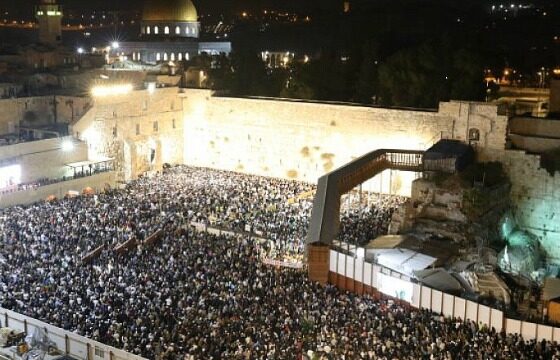
Every spiritual tradition carries a geography. For Hindus, the Ganges. For Muslims, the Kaaba. For Jews, the Western Wall — where, this Rosh Hashanah, tens of thousands gathered for Selichot, the prayers of repentance, as the shofar sounded over the Old City.
One visitor described the scene as “deeply moving,” noting that “there was nothing ancient or dead about Jewish connection in that moment. It was alive.” That aliveness is the heart of the matter. The Jewish bond to the Land of Israel is not measured in generations of residence but in millennia of covenant — a story that begins with Abraham, continues through Isaac and Jacob, and unfolds through slavery in Egypt, liberation under Moses, and settlement in the land.
Even the name “Jew” carries the geography: from Yehudi, a person of Judah, the ancient kingdom where the First and Second Temples stood as the center of Jewish worship.
For seekers of any faith, the question is universal: what land holds your soul’s story? Roots, the tradition teaches, are not only where you were born — they are where your prayers have always been going.