

The Shifting Sands of Political Loyalty: What the Missouri Rematch Reveals About Moral Conviction
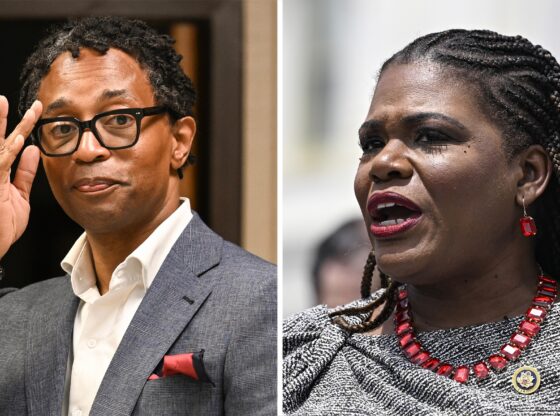
The rematch in Missouri’s Democratic primary is far more than a political grudge match between Cori Bush and Wesley Bell. It serves as a profound referendum on the soul of political advocacy and the price of moral consistency in an age of shifting allegiances. Two years ago, the influx of outside funding symbolized a powerful lobby’s ability to silence dissent. Today, the landscape has transformed, reflecting a broader awakening within the electorate regarding the human cost of conflict.
This election becomes a lens through which we can examine the spiritual tension between steadfast principle and pragmatic survival. For Bush, her promise of retribution is not merely political strategy but a testament to the belief that one’s ethical stance must endure beyond electoral defeat. For Bell, the unwavering support for a traditional alliance represents a commitment to institutional loyalty, even as the cultural tide turns.
As voters in St. Louis head to the polls, they are not just choosing a representative; they are casting a ballot on whether moral courage can withstand the immense pressure of financial might. The outcome will signal whether the “bogeyman” of the past has lost its grip, or if the ancient dance of power continues to trump the quiet call of conscience.