
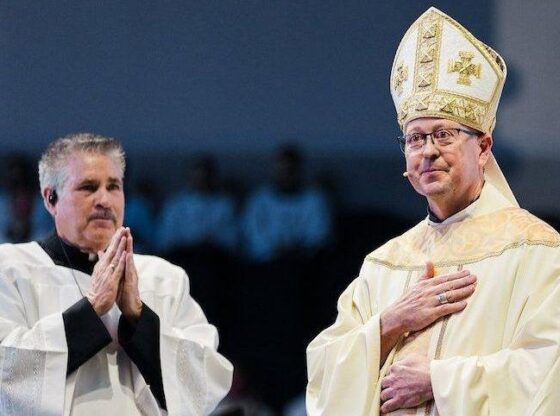

The Sacred Silence: When Prayer Becomes Political Theater
In the hallowed halls of power, the boundary between spiritual intercession and political theater has grown perilously thin. Archbishop Jeffrey S. Grob’s recent reflection on a contentious Oval Office encounter offers a profound lesson in the vulnerability of sacred acts when subjected to public scrutiny. The bishops’ regret stems not from the prayer itself, but from the violation of its sanctity through unauthorized dissemination.
Grob emphasized that his intention was never to create “confusion, anger, or disappointment among the people entrusted to my care.” He viewed the moment as a chance to advocate for human dignity and immigration enforcement, yet the act of laying hands on a leader transformed into a media spectacle. This incident highlights a critical tension in modern faith: how does one maintain the integrity of private devotion when it is captured for public consumption?
The core issue lies in consent. As Grob noted, the administration publicized the encounter “without the consent of the participants.” True spiritual witness requires a sanctuary away from the glare of cameras, where the focus remains on divine connection rather than political alignment. When prayer becomes a prop, its transformative power is diminished, reducing a sacred dialogue to a mere gesture of endorsement.