

The Sacred Geometry of Ashtanga: Why Sequence Matters in Yoga Therapy
In the ancient practice of Ashtanga vinyasa, the order of postures is not arbitrary—it is a carefully designed spiritual and physical therapy known as Yoga Chikitsa, or “yoga therapy.” This methodical progression from Surya Namaskar through standing poses, the Primary Series, and finishing sequence reflects a deeper yogic principle: that purification begins with the external form before moving inward.
The Primary Series emphasizes forward folds, which compress the digestive organs and stretch the spine’s primary curve—the thoracic region. This is no accident. According to yogic philosophy, many modern diseases originate from diet, and these postures directly address the root cause by stimulating digestion and aligning the body’s foundational structure. The rib cage remains tucked during forward bends, a deliberate contrast to the Intermediate Series, which later works on the cervical and lumbar curves.
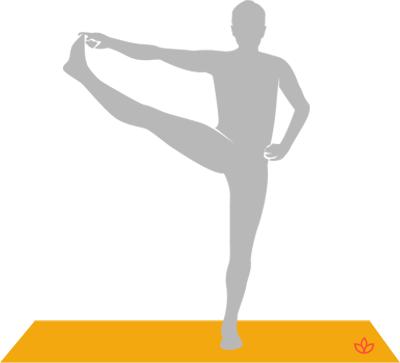
Four key postures—Utthita Hasta Padangustasana (Extended Hand to Big Toe), Marichyasana D (Sage Twist D), Supta Kurmasana (Sleeping Tortoise), and Urdhva Dhanurasana (Upward Bow)—serve as gateways. Each prepares the practitioner for the next, building intensity while maintaining the spine’s integrity. As one teacher notes, “You must understand your physical body first. The way in begins with the external form.”
This sequence is a living meditation on the principle that true healing requires discipline, patience, and respect for the body’s natural architecture.