
The Sacred Economics of Knowledge: What Nevada’s Tuition Waiver Teaches About Healing Historical Wounds
In the high desert of Nevada, a quiet revolution is unfolding—not in temples or ceremonial grounds, but in university classrooms where Indigenous students are reclaiming an education long denied to their ancestors. The Native American tuition waiver program, which has grown from 170 recipients in 2021 to nearly 700 today, represents more than financial relief; it is a spiritual reparation for centuries of educational trauma inflicted upon tribal nations.
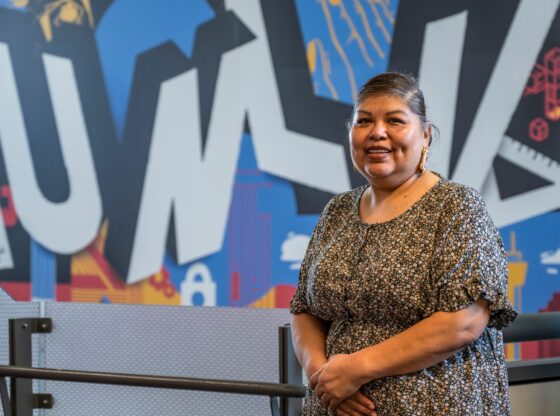
For Ronica Spute, 57, a member of the Moapa Band of Paiutes, the waiver transformed her relationship with learning itself. “I didn’t have to worry about the finances. All I had to worry about was comprehending,” she said, capturing a sacred shift from survival to understanding. Her criminal justice degree at UNLV, earned in just two years, symbolizes how removing material barriers allows the mind to return to its natural state of curiosity—a principle echoed in contemplative traditions worldwide.
Yet this experiment in educational justice now faces a murky future, with a $3.9 million price tag and no dedicated state funding. The Kenny Guinn Center’s recent report calls for sustainable financial commitment, but the deeper question is one of collective values: Will Nevada honor its obligation to heal the wounds of boarding schools and forced assimilation? The waiver is not charity—it is acknowledgment, a sacred trust that knowledge, like water, belongs to all people.