
The Sacred Duty of Memory: Why Stolen Art Still Matters to the Soul
The recent lawsuits filed in California over Nazi-looted paintings hanging in the Norton Simon Museum and the Auschwitz-Birkenau State Museum raise profound questions that transcend legal technicalities. They ask us: what do we owe the dead? What do we owe their children?
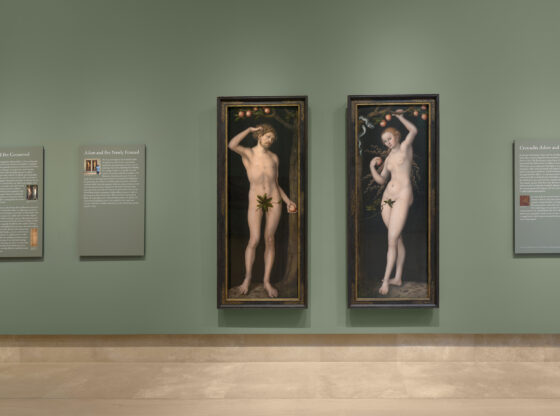
Between 1933 and 1945, the Nazi regime orchestrated the largest art theft in history, seizing over 600,000 works from Jewish families. The Jewish Federation of Greater Los Angeles now seeks the return of Lucas Cranach the Elder’s “Adam and Eve” from the Norton Simon. Separately, the daughters of Dinah Gottliebova Babbitt—a Holocaust survivor forced to paint watercolors for Josef Mengele—demand her works back from Auschwitz.
Both museums claim legal title and intend to keep displaying the works. Yet the spiritual question lingers: can art created under coercion or stolen amid genocide ever truly belong to its possessor? For people of faith, restitution is not merely legal—it is a moral reckoning, an act of teshuvah, of turning toward justice.