

The Sacred Code: Why the Location of a Museum Cannot Hold the Spirit of the Diné
In the realm of the sacred, location is never arbitrary. When the Diné developed the unbreakable code that turned the tide of World War II, they did not merely create a military tool—they wove their ancestral tongue into a spiritual shield. The current dispute over where to house the Navajo Code Talkers’ legacy is not simply a bureaucratic disagreement; it is a question of whether the soul of that legacy can be transplanted from its sovereign soil.
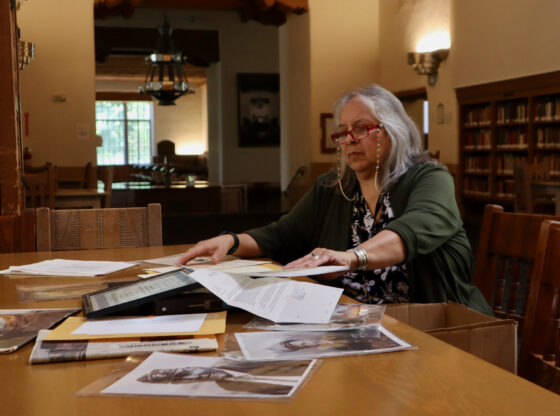
The proposed museum in Farmington, outside the Navajo Nation’s boundary, feels to descendants like a severing of roots. Zonnie Gorman, daughter of original Code Talker Carl N. Gorman, calls it “an overstep and overreach.” Her words echo a deeper indigenous truth: the land itself is a relative, a keeper of memory. To honor warriors who used language as a weapon of protection, the physical space must be consecrated within the Nation’s own embrace.
This is not a story about buildings or budgets. It is a lesson in spiritual sovereignty—that the power of a people’s sacrifice cannot be curated by outside hands. The Diné language, which the Code Talkers transformed into an unbreakable prayer, demands a home where the ancestors can still hear it spoken on their own ground.