
The Sacred Calculus of Self: What College Essays Teach Us About Identity as Spiritual Practice
In a moment of Shabbat silence, a Korean Jewish teen’s question — “Is Waner too Jewish-sounding?” — revealed something profound about the modern spiritual condition. The college admissions essay, far from being merely a bureaucratic hurdle, has become an unexpected arena for soul-examination, forcing young people to articulate who they are in the world’s eyes versus who they are before God.
The 2023 Supreme Court ruling on race-conscious admissions transformed the personal essay into a vessel for identity exploration. For this teen, navigating between Korean and Ashkenazi-Sephardic Jewish heritage, the process mirrors an ancient spiritual tension: how do we hold multiple truths within one soul? At Congregation Rodeph Sholom, Shabbat anchors one identity; within extended Korean family gatherings, another emerges. Neither fully contains the whole.
This dilemma echoes the Jewish mystical concept of tzelem Elohim — being created in the divine image — which suggests our essence transcends any single cultural category. The essay becomes a modern cheshbon hanefesh, an accounting of the soul, asking not “What will admissions officers see?” but “What does my deepest self wish to reveal?”
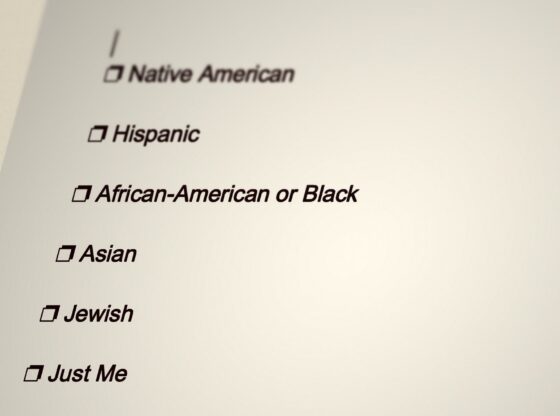
For seekers of wisdom, this story illuminates a universal truth: identity is not a problem to solve but a mystery to inhabit. The anxiety of being stereotyped — as “too Jewish” or “not Korean enough” — dissolves when we recognize that spiritual wholeness never fits neatly into institutional checkboxes.