
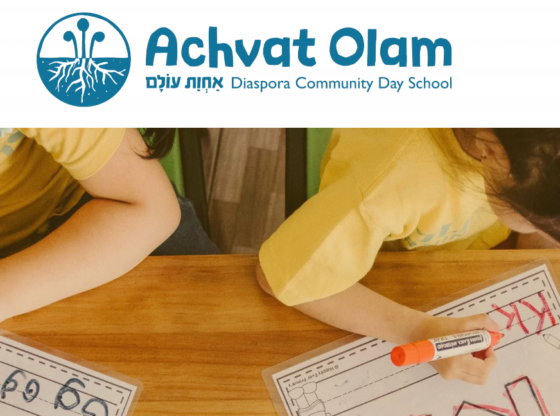

The Sacred Architecture of Diasporic Identity
In the quiet corridors of spiritual education, a profound shift is occurring in Boston. Leah Robbins, driven by a deep sense of grief over potential cultural loss, is founding Achvat Olam, or “Global Solidarity.” This initiative challenges the monolithic narrative often imposed on Jewish day schools, offering instead a space where diasporist identity is not an afterthought, but the very foundation of learning.
Robbins’ vision transcends mere pedagogy; it is an act of spiritual reclamation. By rejecting the automatic allegiance to statehood that defined her previous schooling, she seeks to preserve the richness of Jewish texts, history, and observance without the political baggage that alienated her. As she notes, the desire was never to diminish her children’s Jewishness, but to ensure they inherited a tradition rooted in justice and dignity rather than geopolitical alignment.
This new institution aims to engage with Hebrew and Israel’s history from a non-Zionist perspective, fostering a community where the pursuit of thriving for all people is seen as a core Jewish moral imperative. In doing so, Robbins is not just building a school; she is constructing a sanctuary for those who find their spirituality in the vast, complex tapestry of the global Jewish experience, proving that faith can flourish outside the bounds of nationalism.