

The Sacred and the Profane: When Falafel Becomes a Political Test
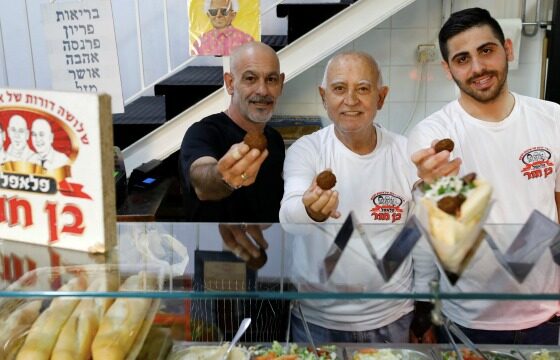
In the bustling streets of Tel Aviv, the Ben Hur family has served falafel for generations—a humble craft of chickpeas, herbs, and hot oil that speaks to something deeper than mere sustenance. Yet in the current climate, even this most ordinary act of nourishment has been dragged into the arena of ideological warfare. When a recent New York Magazine feature sought to frame Middle Eastern dining as a moral battlefield, it revealed less about food than about the modern tendency to strip everyday life of its sacred innocence.
Food has always been a vessel for memory and identity. The shared table is where families bind themselves to tradition, where strangers become neighbors. To reduce this to a political statement is to forget that the divine dwells in the mundane—that the blessing over bread is as holy as any sermon. The Ben Hur family’s falafel is not a symbol of conquest or resistance; it is a testament to continuity, to the quiet perseverance of a people simply living their lives.
As the writer Thomas Mann noted, “Everything is politics”—but perhaps the deeper wisdom lies in resisting that reduction. When we refuse to let ideology colonize every bite, every dance, every breath, we reclaim the sacred space where humanity simply exists.