
The Poisoned Well of Colonial Memory
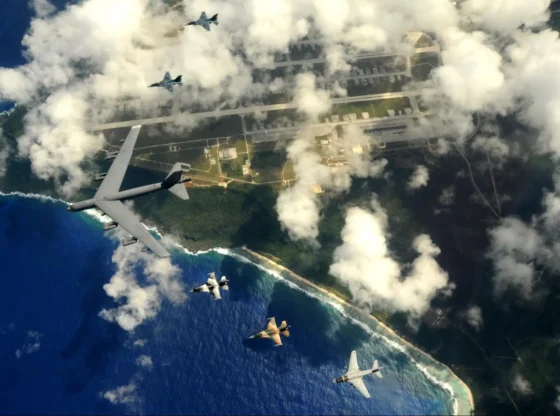
In the quiet village of Yigo, Guam, a simple act of hygiene became a profound spiritual crisis. When Leevin Camacho learned that the water his children drank contained dieldrin—a banned organochlorine pesticide—he did not just see contamination; he saw the physical manifestation of historical trauma. The revelation that U.S. military operations had poisoned their source for decades forced a reckoning with the narrative of liberation he was raised to accept.
This is not merely an environmental disaster but a sacred violation. The land and water, traditionally viewed as ancestors in indigenous cosmologies, have been turned into chemical storage sites. As Camacho realized, “Our kids have been drinking the water… for almost their entire lives.” This persistence mirrors the enduring presence of colonial power structures that prioritize strategic interests over the sanctity of life. The body becomes the final archive of this injustice, holding memories that the official record tries to erase. We must ask: what does it mean to drink from a well tainted by empire? The answer lies in the urgent need to reclaim our waters, not just chemically, but spiritually, restoring the bond between people and the earth that has been severed by greed and neglect.