
The Sacred Geometry of Unity: Why Fragmentation Fails the Spirit
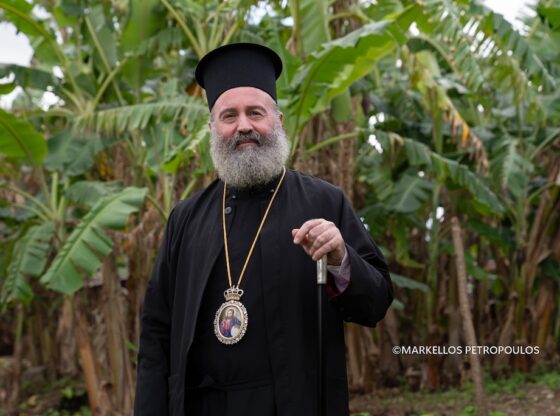
In an era obsessed with decentralization and niche identities, Archbishop Makarios of Australia offers a profound counter-narrative: true spiritual resilience lies in unified wholeness. His decision to reject the fragmentation of the Greek Orthodox Archdiocese was not merely administrative but deeply mystical. He recognized that dividing the ecclesiastical body would have severed the vital lifeblood of communal faith, creating “legal difficulties” that mirrored deeper spiritual fractures.
“Dividing the Archdiocese would have been disastrous,” he warned, emphasizing that unity is not just a structural preference but a sacred imperative. By appointing regional bishops while maintaining a central Synod, he preserved the ancient principle of *koinonia*—communion—ensuring that local needs are met without sacrificing global solidarity. This approach honors the diaspora’s dual identity, preserving both the Greek language and their Australian context within a single, cohesive spiritual home. In choosing connection over division, the Church models a higher consciousness where diversity strengthens, rather than weakens, the whole.