

The Peacock Flower’s Silent Testimony: What a Campus Garden Reveals About Suffering and Choice
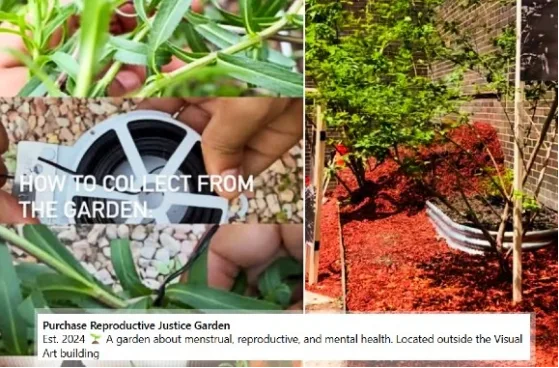
In the quiet corners of a New York campus, a garden has become an unlikely theater for one of humanity’s oldest spiritual dilemmas: the tension between bodily autonomy and the sanctity of life. The “Reproductive Justice Garden” at Purchase College cultivates plants traditionally used as abortifacients, framing them as tools of resistance against historical oppression.
Yet beneath the botanical labels lies a deeper question that transcends political divides. When we encounter the peacock flower — a plant whose seeds were once steeped into tea by enslaved women seeking to end forced pregnancies — we witness the desperate intersection of suffering and agency. The garden’s organizers honor these women’s resistance against an institution that commodified their bodies. But the same plant also whispers of lives never realized, of potential unfulfilled.
This garden invites us into a contemplative space where neither easy answer suffices. It asks us to hold the paradox: that reverence for life and compassion for the suffering can coexist, even when they seem irreconcilable. For the spiritual seeker, the true harvest here is not botanical but existential — a call to witness both the pain that drives such choices and the mystery of what might have been.