
The Lost Art of the Common Good: What the Founders Knew That Liberalism Forgot
The dominant philosophy of modern American elites—liberalism—rests on a fragile foundation. At its core lies a belief that freedom means the right to define one’s own existence, meaning, and truth. The state, in turn, must remain neutral toward competing visions of the good life. But this is not a recipe for liberty; it is a recipe for nihilism. It makes the individual will sovereign over reality, denying that any rational, intrinsic goods bind us together as a people.
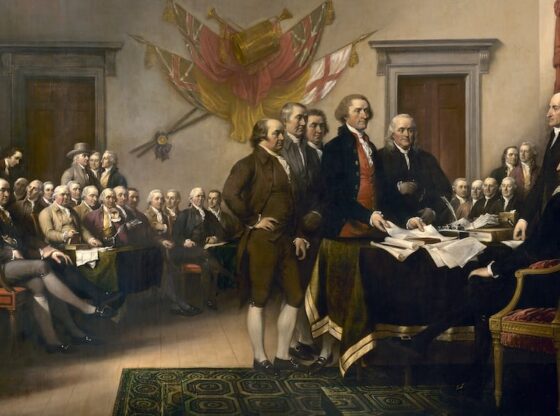
A postliberal movement has rightly emerged to challenge this thin conception of personhood. Yet its advocates often make a critical error: they assume that modern liberalism is the inevitable destiny of the American tradition. It is not. The Founders offered something far deeper—a natural rights republicanism rooted in human equality and dignity, drawing from both Greek philosophy and biblical revelation. They understood that no person is born the natural ruler of another, and that true freedom is ordered toward excellence, not mere willfulness.
Rather than abandon the American founding, we must recover its genius. The Founders knew that liberty without a shared moral horizon becomes a hollow idol. The common good is not a relic; it is the only path to a just society.