
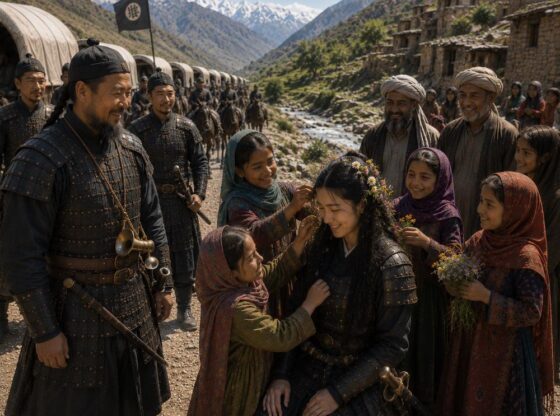

The Lost Art of Earnest Seeking: What a Young Afghan’s Journey Teaches About Spiritual Longing
In the harsh stone valleys of Afghanistan, where caravans wind like threads through a tapestry of ancient faith, a quiet lesson in spiritual sincerity unfolds. A young Afghan named Arslan approaches a traveling company with nothing but a bow and a dream—to see Isfahan, Shiraz, then Al-Quds, and finally Makkah and Madinah. His request is not for charity but for honest labor: passage earned through service as a guard.
Sergeant Karim’s initial dismissal—”We are not a taxi service”—gives way to a deeper recognition. When Weili notes Arslan’s exceptional archery, the sergeant relents, but with conditions: discipline, obedience, and a one-way ticket only to Isfahan. The exchange reveals something profound about the spiritual path itself. Arslan does not demand; he offers what he has. He does not presume; he submits to rules he has yet to learn.
This mirrors the timeless wisdom of seekers who understand that the journey to sacred sites begins not with the feet but with the heart’s readiness to serve and be shaped. As Ahmed, the multilingual companion, translates the negotiations, we witness a young man willing to trade his freedom of movement for the discipline of a caravan—a metaphor for the soul that willingly binds itself to divine instruction in order to reach its ultimate destination.