
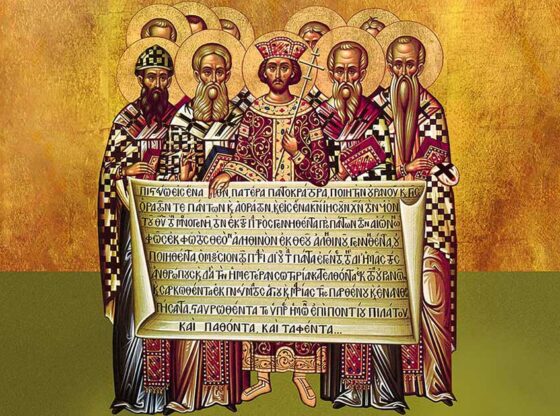

The Living Bones of Belief: What Nicaea Still Whispers to the Modern Soul
In an age obsessed with crafting tomorrow, the Nicene Creed stands as a stubborn monument to yesterday. Yet this ancient declaration, born from the dust of A.D. 325, is not a relic to be admired from a distance. It is a living argument, a spiritual technology designed to tether the fleeting human heart to the eternal. The Council of Nicaea was never merely about settling a theological squabble; it was a profound attempt to articulate the very architecture of the divine.
When the bishops gathered at the behest of Emperor Constantine, they were not simply debating words. They were wrestling with the deepest human longing: the desire to know if the divine is truly accessible. The Creed’s insistence that Christ is “of one Being with the Father” is a radical claim of intimacy. It declares that the gap between the human and the holy has been bridged, not by our effort, but by divine nature itself.
For the contemporary seeker, the Creed offers a map of consciousness. It speaks of a God who is both “maker of heaven and earth” and a participant in human suffering. It invites us to see our own story within a larger narrative of incarnation, crucifixion, and resurrection—a cycle that mirrors our personal journeys of breakdown and renewal. The “life of the world to come” is not just a future promise, but a present reality available to those who dare to believe that the past, with all its wounds, can be redeemed.