
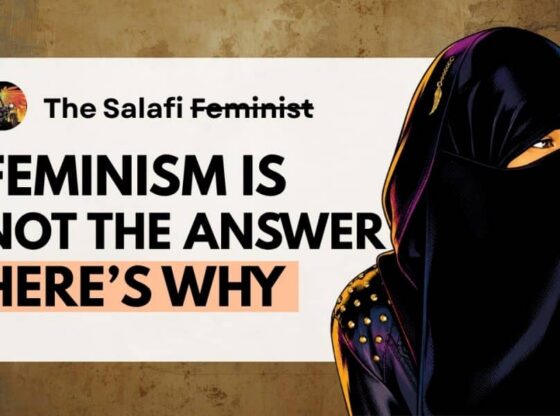

Beyond the Label: What the Feminist Question Reveals About Muslim Community Integrity
In contemporary Muslim discourse, few terms ignite as much defensive reaction as “feminism.” Yet beneath the surface-level accusations and cultural anxieties lies a deeper spiritual crisis—one that speaks not to the erosion of faith, but to the gap between divine principles and communal practice. The real question isn’t why some Muslim women adopt external frameworks, but why our internal structures have failed to embody the justice Islam proclaims.
The concept of dhulm—transgression against the rights of others—stands in stark opposition to the prophetic model of community. When cultural norms are conflated with divine law, the sacred becomes distorted, and those who question such distortions are often silenced rather than heard. This is not a matter of theology alone but of spiritual integrity.
Islam’s revelation came as a corrective to the jahiliyyah, an era of ignorance where tribal customs trumped ethical truth. When contemporary Muslim communities replicate such patterns—elevating tradition above justice—they risk resurrecting the very conditions the Prophet came to dismantle. The call for accountability is not a Western import; it is a return to the Quranic imperative of standing firmly for justice, even against oneself and one’s community.
True spiritual maturity requires the courage to examine uncomfortable truths. The feminist question, therefore, becomes a mirror reflecting our collective responsibility to align practice with principle, and to honor the dignity that Allah has endowed upon every soul.