
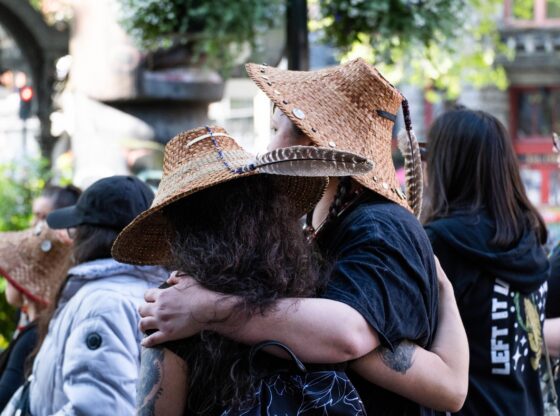

The Invisible Sacred: What the Undercount of Seattle’s Native Homeless Reveals About Spirit and Data
In King County, Washington, a spiritual wound is being deepened not by malice, but by method. The 2026 Point-In-Time Count of unsheltered individuals reports that only 4.2 percent identify as American Indian, Alaska Native, or Indigenous. Yet leaders at the Chief Seattle Club and the Seattle Indian Health Board know the true number is closer to 15 percent—a figure from the 2020 count that reflects the living reality of a people whose ancestors walked these lands for millennia.
Abigail Echo-Hawk, a citizen of the Pawnee Nation and director of the Urban Indian Health Institute, speaks with prophetic clarity: “The relatives that I serve are going to suffer as a direct result, as funds will be misallocated based on bad data because of the lack of representation of American Indians, Alaska Natives in this report, and Native people will suffer, and Native people will die.” This is not merely a statistical error—it is a failure of vision. When a society cannot see its most vulnerable, it cannot honor them. The sacred duty to count is also a sacred duty to care.