
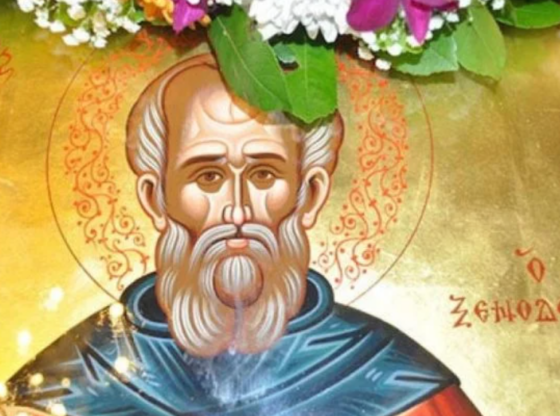

In an age when healing is often reduced to a transaction, the life of Saint Sampson the Hospitable offers a startling alternative rooted in the Gospel. Born to wealth in Rome, Sampson studied philosophy and medicine, yet his true education began when he turned his family estate into a free clinic. He did not merely treat symptoms—he saw Christ in the suffering and responded with radical generosity.
When his inheritance ran out, Sampson did not close the doors. He sold everything, hired staff, and chose poverty so that the poor could be healed without cost. This was not charity as we know it; it was an act of liturgical worship. As Saint Luke writes, “Sell your possessions and give to the poor” (12:33-34)—and Sampson took this literally.
His move to Constantinople was not a retreat but a continuation of his calling. There, in a modest home, he blended medical skill with the grace of miracles. When Emperor Justinian was healed by his prayers and offered gold, Sampson refused. Instead, he asked for a hospice for travelers—a place where strangers could find rest and healing, not as patients but as guests of God.
The hospice he inspired, rebuilt after fire in 532, became a living icon of the Church’s ancient mission: to heal body and soul without price. Saint Sampson reminds us that true medicine is always hospitality, and true wealth is giving everything away.