

The Crucible of Neutrality: What Québec’s Ban on Sacred Symbols Reveals About the Soul of a Nation
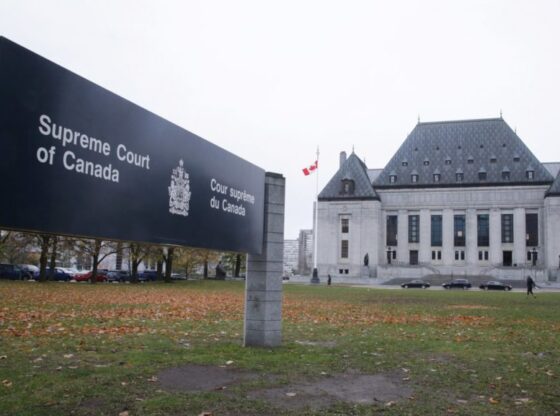
The Supreme Court of Canada now holds a question that transcends legal briefs and into the realm of the spirit: Can a state demand invisibility of the divine to prove its own neutrality? Québec’s Bill 21, which prohibits teachers, judges, and police officers from wearing crucifixes, hijabs, or yarmulkes, is not merely a policy dispute—it is a theological confrontation with the nature of public faith.
The Canadian Conference of Catholic Bishops has framed the law as a radical departure from the nation’s founding vision. In their legal submission, they argue that “our constitution is founded on a political theory that sees fundamental rights and freedoms as God-given.” To strip believers of their visible witness, they contend, is to impose “an anti-religious, non-neutral ideology” that “goes beyond Québec’s jurisdiction.”
The bishops warn that the law substitutes a genuinely pluralist approach with “an anti-religious constitutional settlement.” For the spiritual seeker, the question is not merely about state power, but about whether a society can achieve genuine peace by demanding that the sacred be hidden. When a teacher removes a cross or a Muslim woman sets aside her hijab for a government paycheck, what is truly being sacrificed—and what kind of “neutrality” requires such a costly silence?