

The Catacomb Paradox: When the Church Shone Brightest in Darkness
In the dim glow of a single oil lamp, pressed into volcanic rock, the early Church found its truest radiance. Bishop Maximos Pafilis of Melitene, reflecting on Matthew 5:14-19, invites us to consider a troubling inversion: the Church was most luminous when it had nothing—no temples, no titles, no earthly power. “With torches the persecutors sought it, and did not find it, because it burned within men,” he writes, recalling three centuries when faith thrived in catacombs, not cathedrals.
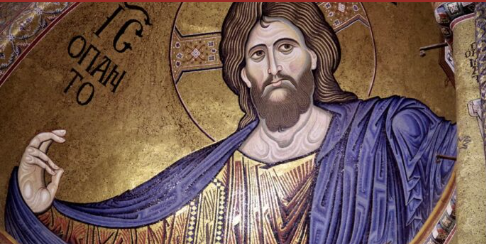
The Bishop’s homily traces a spiritual tragedy: the moment Christians emerged from the underground, they traded borrowed light for borrowed glory. “We built radiant temples and mosaics and domes that vied with the sky,” he observes, “and beside them courts, dignities, protocols.” The Church that once troubled an empire’s sleep through silent martyrdom began to flicker in the daylight of worldly alliance. “Worldly power becomes mud,” the Bishop warns, “and muddies the water of faith.”
This is no mere historical lament. The Bishop sees the same pattern today: schisms, throne-seeking, and the slow poisoning of spiritual clarity. The light that once burned in fishermen who “smelled of salt” now struggles beneath silken blankets of comfort and control. The call of Christ remains unchanged—to be light by being nothing in the world’s eyes—but the Church must choose whether to shine from the catacomb or flicker in the palace.