
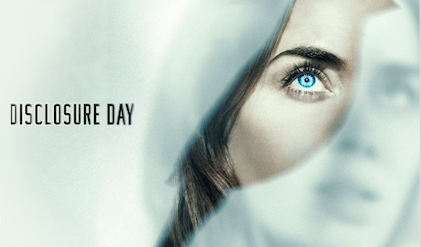

In his latest film, Steven Spielberg ventures into terrain that feels both familiar and unsettling: the moment when a hidden truth demands to be seen. While the film is ostensibly about extraterrestrial disclosure, its deeper resonance lies in what it reveals about the human soul’s relationship with revelation itself. For the Church, this cinematic exploration is not merely entertainment—it is a prophetic mirror reflecting our own anxieties about truth, secrecy, and the cost of keeping mysteries locked away.
The spiritual significance of “Disclosure Day” extends far beyond its sci-fi premise. At its core, the film dramatizes the tension between institutional control and personal encounter with the numinous. David Robertson, writing for Christian Today, observes that the movie “asks some of the right questions and hints at all of the wrong answers.” This observation cuts to the heart of a spiritual crisis: the Church has often been more comfortable managing mystery than surrendering to it. When Spielberg’s characters face the prospect of cosmic revelation, they mirror our own hesitation before the divine—that uncomfortable pause between belief and surrender.
Wisdom traditions across the ages have recognized that true disclosure is never merely informational—it is transformational. The Desert Fathers spoke of the “naked intellect” that must shed all preconceptions to encounter God. Similarly, the film’s central conflict reflects what theologian Paul Tillich called “the courage to be”—the willingness to face ultimate reality without the armor of certainty. The Church, like Spielberg’s protagonists, faces a choice: will it be a gatekeeper of revelation or a midwife to encounter? The film suggests that when institutions prioritize control over communion, they become obstacles to the very truth they claim to serve.
For the spiritual seeker, “Disclosure Day” offers a crucial lesson about the nature of faith. Revelation is not a commodity to be managed but a living relationship to be entered. The film’s title itself is a double entendre: disclosure is not a single event but an ongoing posture of openness. The Church’s historical tendency to codify and contain mystery has often produced the opposite of faith—a brittle orthodoxy that crumbles under scrutiny. True spiritual maturity, as the film implies, requires the courage to ask questions without demanding immediate answers, to sit in the tension of not-knowing while remaining open to the unexpected arrival of truth.
The takeaway for the modern believer is both sobering and liberating: the Church must learn to be a space where disclosure can happen, not a fortress where secrets are buried. Spielberg’s film reminds us that the most profound revelations often come through the cracks in our carefully constructed systems. Whether the disclosure is of extraterrestrial life or the deeper dimensions of divine presence, the response required is the same: humility, wonder, and the willingness to be changed. The Church that fears disclosure has forgotten that its own foundation is built upon the most radical disclosure of all—the Word made flesh, dwelling among us, full of grace and truth.