
Sixty Years After Nostra Aetate: The Vatican’s Quiet Revolution in How Faiths Meet
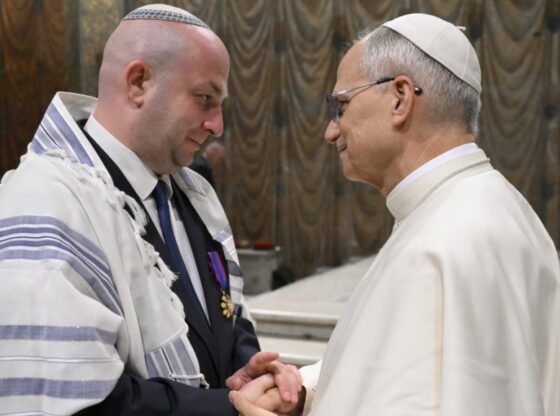
When the Second Vatican Council promulgated Nostra Aetate in 1965, it did more than issue a document — it reversed centuries of suspicion. The declaration, born in the shadow of the Shoah, redefined how the Catholic Church would regard the Jewish people and adherents of other faiths: not as strangers to be converted, but as neighbors to be understood.
Sixty years later, the Vatican’s Dicastery for the Doctrine of the Faith, the Dicastery for Promoting Christian Unity, and the Dicastery for Interreligious Dialogue have jointly released “A Journey of Hope,” an 8,600-word reflection approved by Pope Leo XIV. The text acknowledges both the “visible” and “silent” fruits of the declaration — and the “persistent resistance and misunderstandings” that have slowed its reception.
Crucially, the document rejects the dream of “one great world religion.” Authentic dialogue, it insists, seeks instead “a fraternal society capable of accepting differences.” That requires, in the Vatican’s words, “courage” and “a genuine shift in mindset” — a pedagogy of encounter rather than assimilation.
For a polarized age, the message is clear: unity was never the same thing as uniformity.