
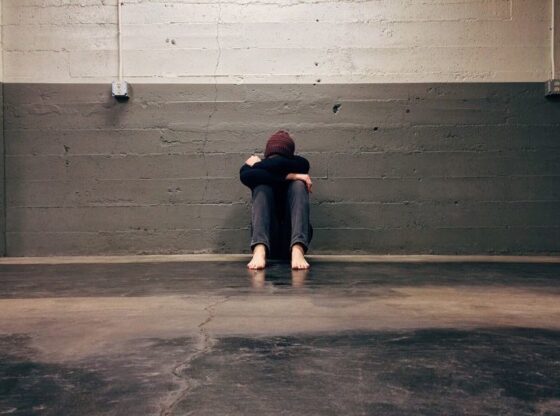

In the raw aftermath of a marriage shattered by betrayal, one mother found herself holding a four-day-old infant while confronting the collapse of nearly two decades of shared life. Her husband’s disclosure of multiple affairs, coming at the most vulnerable moment of new parenthood, might have destroyed a lesser soul. Instead, her journey through this darkness has become a testament to the spiritual principles that govern authentic recovery from profound trauma.
The spiritual significance of this story extends far beyond one family’s tragedy. In wisdom traditions across the ages, the moment of deepest wounding has always been recognized as a potential portal to transformation. The ancient mystics taught that when the container of our expectations breaks, what spills forth is either bitterness or liberation. This mother’s choice to walk through the fire rather than around it exemplifies what the Desert Fathers called the “purgative way” — the necessary stripping away of false selves that precedes genuine spiritual rebirth.
The healing path she discovered mirrors ancient contemplative practices that have sustained seekers for millennia. First came the sacred act of surrender — not to despair, but to the reality of what was. The Buddhist teaching of “suchness” reminds us that healing begins only when we stop fighting what is. Then came the practice of radical self-compassion, which the Christian mystics understood as receiving God’s mercy for oneself. In the Gospel of Thomas, we find the teaching: “If you bring forth what is within you, what you bring forth will save you.” This mother brought forth her grief, her rage, her confusion — and found they did not destroy her.
Perhaps most striking is how her recovery required her to release the very identity she had built over twenty years. The Sufi poet Rumi wrote, “The wound is the place where the Light enters you.” For this woman, the wound of betrayal became the opening through which a truer self could emerge — one not defined by marital status or social role, but by an unshakeable connection to the Divine. Her journey demonstrates that authentic healing never returns us to who we were before; it births us into someone new.
The takeaway for every soul walking through devastation is this: your breaking is not your ending. The spiritual traditions unanimously teach that what we call “trauma” is often the chrysalis state — the dark, cramped space where transformation occurs unseen. When the structure of your life collapses, do not rush to rebuild the same house. Sit in the rubble. Let the sacred emptiness teach you. For it is only in the complete dismantling of our illusions that we become available for genuine resurrection. As one ancient prayer puts it: “God breaks us not to destroy us, but to make us whole in a way we could never have imagined.”