
The Neuroscience of Gratitude: How a Simple Practice Is Being Recognized as a Transformative Spiritual Discipline
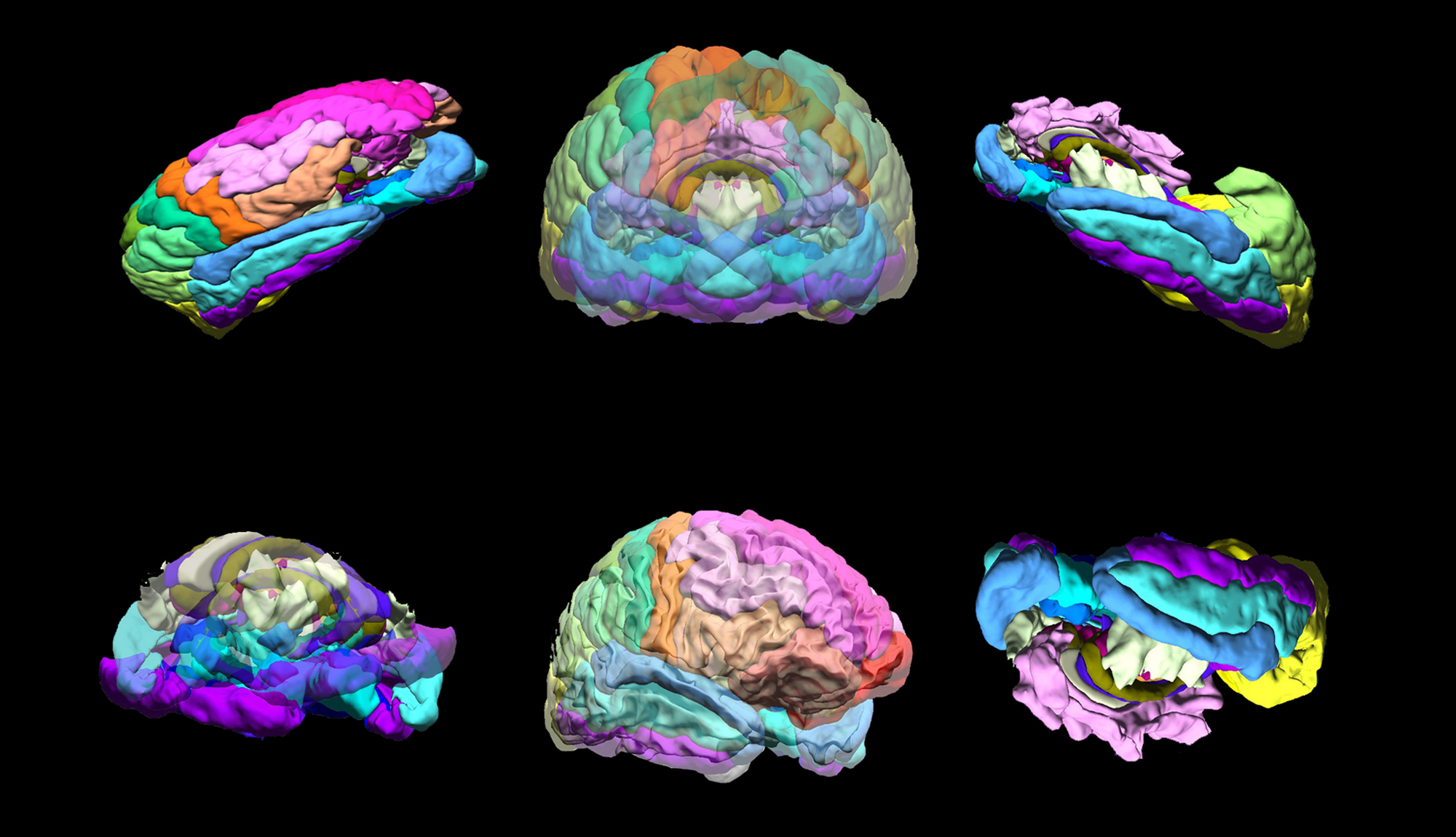
A growing body of peer-reviewed research reveals that gratitude — long central to spiritual traditions from Christianity to Buddhism to Islam — produces measurable changes in brain function and structure that correlate with improved mental and physical health. What was once considered a simple moral virtue has emerged as a legitimate subject of neuroscientific investigation.
The Neural Basis of Gratitude
A 2023 fMRI study from the University of Southern California's Brain and Creativity Institute asked participants to recall experiences for which they felt grateful while undergoing brain scans. The results showed increased activation in the medial prefrontal cortex and the anterior cingulate cortex — regions associated with moral cognition, empathy, and reward processing. Simultaneously, activity decreased in the amygdala, suggesting that gratitude reduces the brain's threat response.
'Gratitude is not just a pleasant feeling,' said Dr. Glenn Fox, the study's lead author. 'It is a complex cognitive-emotional state that engages multiple neural systems.'
Gratitude and Physical Health
A 2024 meta-analysis of 67 clinical trials involving over 15,000 participants found that gratitude interventions — such as gratitude journaling, gratitude letter writing, and gratitude meditation — produced significant improvements in sleep quality, immune function, and cardiovascular health. The effect sizes were comparable to those of established behavioral interventions like exercise and cognitive behavioral therapy.
The research showed that practicing gratitude for just 15 minutes per day, three times per week, for eight weeks was sufficient to produce measurable improvements in inflammatory biomarkers and heart rate variability.
Gratitude as Spiritual Practice
The convergence of these findings with spiritual traditions is striking. The Buddhist practice of appreciating good fortune (kataññu), the Islamic concept of shukr, and the Christian emphasis on eucharisteo (giving thanks) all frame gratitude as not merely a response to good fortune but a discipline to be cultivated.
Sources:
Fox et al., USC Brain and Creativity Institute (2023); gratitude meta-analysis, Journal of Positive Psychology (2024); Emmons & McCullough, gratitude and well-being research.
— Editorial Dept.
#ScienceAndSpirituality #Psychology #Growth