
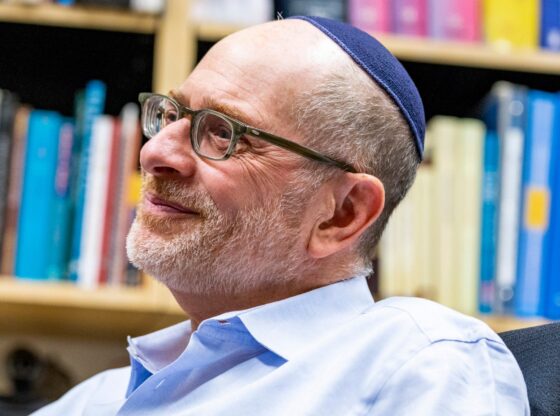

When Rabbi Rolando Matalon steps down from B’nai Jeshurun this month, he leaves behind more than a storied career—he leaves a spiritual blueprint for an age of fracture. For over four decades, Matalon transformed a struggling Upper West Side congregation into a luminous model of ecstatic prayer, participatory ritual, and fearless social conscience. Yet his retirement arrives at a moment when the very consensus he helped build feels like a whispered prayer against a storm.
Born in Argentina and shaped by the prophetic fire of his mentor, Rabbi Marshall T. Meyer, Matalon understood that liberal Judaism’s deepest challenge is not doctrinal but relational. “We need to rediscover what binds us together in our diversity,” he reflected, naming the sacred task awaiting the next generation. Under his leadership, B’nai Jeshurun became a “big tent” where music lifted souls, justice stirred hands, and Israel’s complexities were held in trembling conversation rather than rigid certainty.
The synagogue’s independence from the Conservative movement in 1988 was not a rejection but a declaration: that spiritual vitality sometimes requires breaking institutional molds. Now, as political polarization and post-October 7th tensions test that fragile unity, Matalon’s legacy asks every seeker a deeper question: Can we hold our differences without letting them become idols? The answer, whispered in the melodies of BJ’s sanctuary, may determine the future of sacred community itself.
#SpiritualNews · #FaithAndCulture · #GlobalSpirituality