
Nature Prescribed: How Ecotherapy Is Being Validated by Neuroscience and Adopted by Health Systems Worldwide
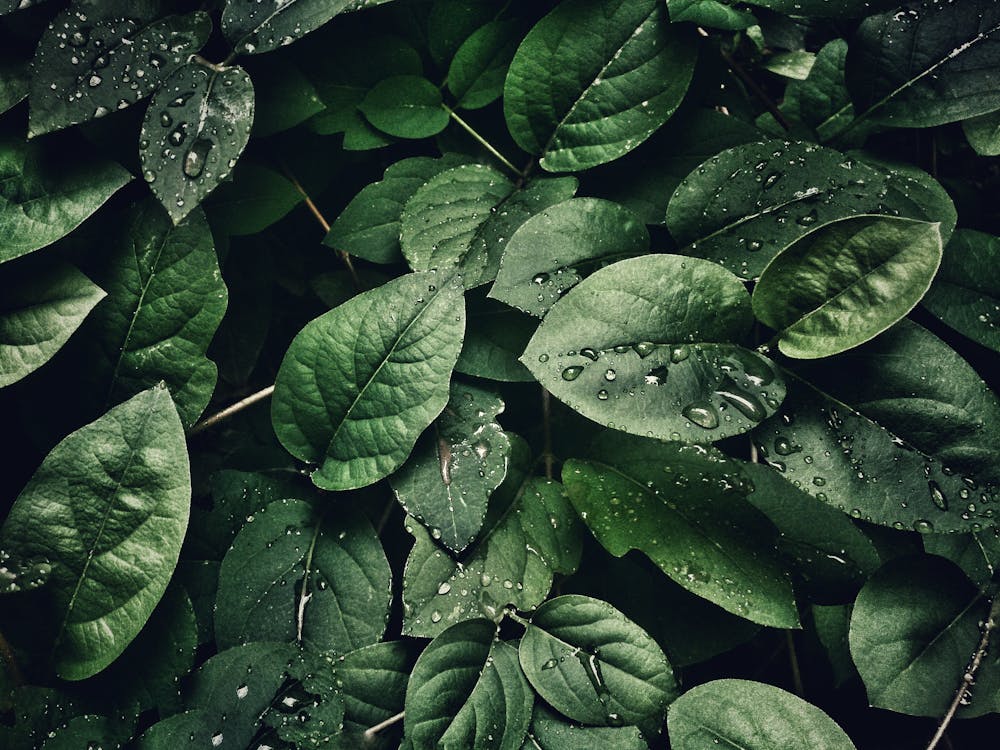
Once dismissed as feel-good wellness rhetoric, nature-based therapy is now one of the fastest-growing evidence-based interventions in mental health care, with major health systems from the UK's National Health Service to Japan's Ministry of Health formally incorporating "nature prescriptions" into clinical practice backed by a growing body of neuroscience.
The convergence is striking. In April 2026, the NHS expanded its Green Social Prescribing programme to cover all Clinical Commissioning Groups in England, enabling doctors to prescribe guided nature activities — from community gardening to woodland walking groups — for patients experiencing anxiety, depression, and social isolation. The expansion followed a three-year pilot involving over 8,000 patients that reported a 27% reduction in anxiety scores and a 32% decrease in GP visits among participants.
"We are witnessing a paradigm shift in how we understand mental health treatment," said Dr. Rachel Stanhope, lead researcher on the NHS pilot and a clinical psychologist at the University of Exeter. "For too long, we separated human wellbeing from the environments we evolved in. The data now shows that separation was clinically costly."
Japan, which pioneered the practice of shinrin-yoku — forest bathing — in the 1980s, released updated national guidelines in March 2026 recommending a minimum of 120 minutes per week in green or blue spaces (parks, forests, coastlines) for mental health maintenance. The guidelines cite over 200 peer-reviewed studies, including meta-analyses published in Scientific Reports and Environmental Health and Preventive Medicine, demonstrating that forest bathing significantly reduces cortisol levels, lowers blood pressure, and improves immune function through increased natural killer cell activity.
The neuroscientific underpinnings are becoming equally clear. A landmark 2025 study from Stanford University's Environmental Neuroscience Lab used functional magnetic resonance imaging (fMRI) to show that a 60-minute walk in a natural setting, compared to an urban environment, significantly reduced activity in the subgenual prefrontal cortex — a brain region strongly associated with rumination and depression. Participants in the nature group also reported a 45% reduction in self-reported repetitive negative thinking, with effects lasting up to 48 hours post-walk.
"Nature doesn't just feel good — it measurably changes how the brain processes negative emotion," said Dr. Gregory Bratman, director of the Stanford lab. "Our imaging data suggests that nature exposure recalibrates the neural circuits underlying maladaptive thought patterns."
The trend extends beyond high-income countries. In Kenya, the Green Prescription initiative, launched in partnership with the United Nations Environment Programme (UNEP) in late 2025, trains community health workers to integrate nature contact into primary care for patients in informal settlements. Preliminary data from the Nairobi pilot involving 2,400 participants shows a 34% improvement in self-reported wellbeing scores and a 22% reduction in reported sleep disturbance over 12 weeks.
Critics caution against oversimplification. "Nature contact is not a substitute for clinical intervention in severe mental illness," said Dr. Michael Bloomfield, a consultant psychiatrist at University College London who was not involved in the NHS programme. "But for the vast middle ground — the millions experiencing mild to moderate anxiety and depression — nature prescriptions offer an accessible, low-cost, side-effect-free option that the data increasingly supports."
From the perspective of contemplative traditions, the ecotherapy movement validates what indigenous and spiritual cultures have maintained for millennia: that human beings do not merely benefit from nature — they are constituted by it. As the Thai Forest monk Ajahn Chah once put it, "If you spend time in the forest, it will teach you everything you need to know."
With global spending on mental health projected to exceed $250 billion by 2027, and nature-based interventions costing a fraction of conventional treatment, the prescription pad may increasingly read: Take two hours in the woods and call me in the morning.
Sources: NHS Green Social Prescribing Programme evaluation report (April 2026, University of Exeter / The King's Fund); Japan Ministry of Health Nature Contact Guidelines (March 2026, citing Scientific Reports meta-analysis); Stanford Environmental Neuroscience Lab — Bratman et al. (2025, Proceedings of the National Academy of Sciences); UNEP Green Prescription Pilot — Nairobi (2025-2026)
— Editorial Dept
#Psychology #Wellness #Ecology