Indigenous Guardians: How Traditional Ecological Knowledge Is Reshaping Global Conservation
A quiet revolution is underway in global conservation. Indigenous communities, stewards of the world's most biodiverse landscapes for millennia, are increasingly being recognised not just as stakeholders but as leaders in protecting the planet's remaining wild places.
From the Amazon rainforest to the Arctic tundra, Indigenous guardianship programs are proving that traditional ecological knowledge — passed down through generations — offers solutions that modern science alone cannot provide. Studies show that lands managed by Indigenous communities have equal or greater biodiversity than official protected areas, often at a fraction of the cost.
The shift gained momentum at the UN Biodiversity Conference, where Indigenous leaders secured unprecedented representation in decision-making processes. In Brazil, Colombia, and Canada, governments are now formalising Indigenous-led conservation areas with legal protections.
According to the UN, Indigenous peoples manage or hold tenure over approximately 25% of the Earth's land surface, encompassing much of the world's remaining biodiversity. As the climate crisis intensifies, their knowledge of sustainable resource management, fire ecology, and species migration patterns is proving invaluable.
For many Indigenous communities, this recognition is not just about conservation — it is about the reclamation of sovereignty and the restoration of a relationship with the land that modern societies have largely forgotten.
Sources: UN Biodiversity Conference proceedings (2025-2026); Cultural Survival Quarterly, "Indigenous Guardianship and Conservation" (2026)
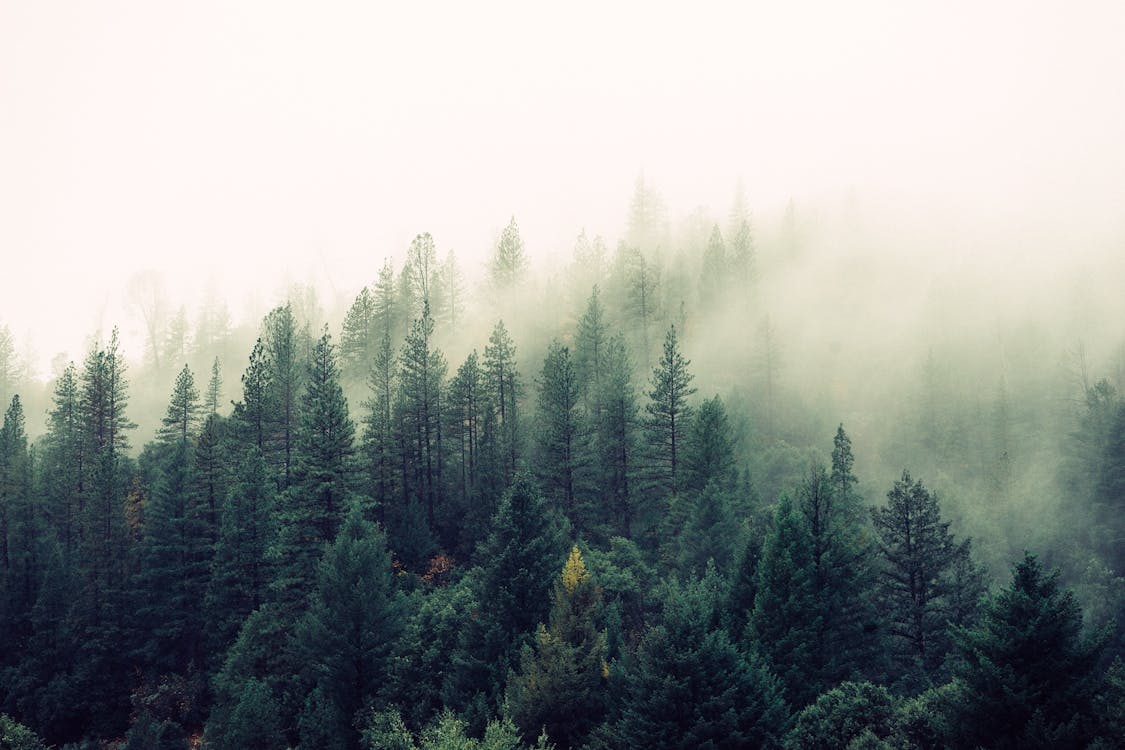
Image: Mountain landscape at sunrise — Unsplash
Article by Editorial Dept
#IndigenousKnowledge #Conservation #Ecology #Biodiversity #Guardians