Global Faith Leaders to Convene in Mauritius for Religions for Peace 2026 Council: 'Moral Leadership Now More Than Ever'
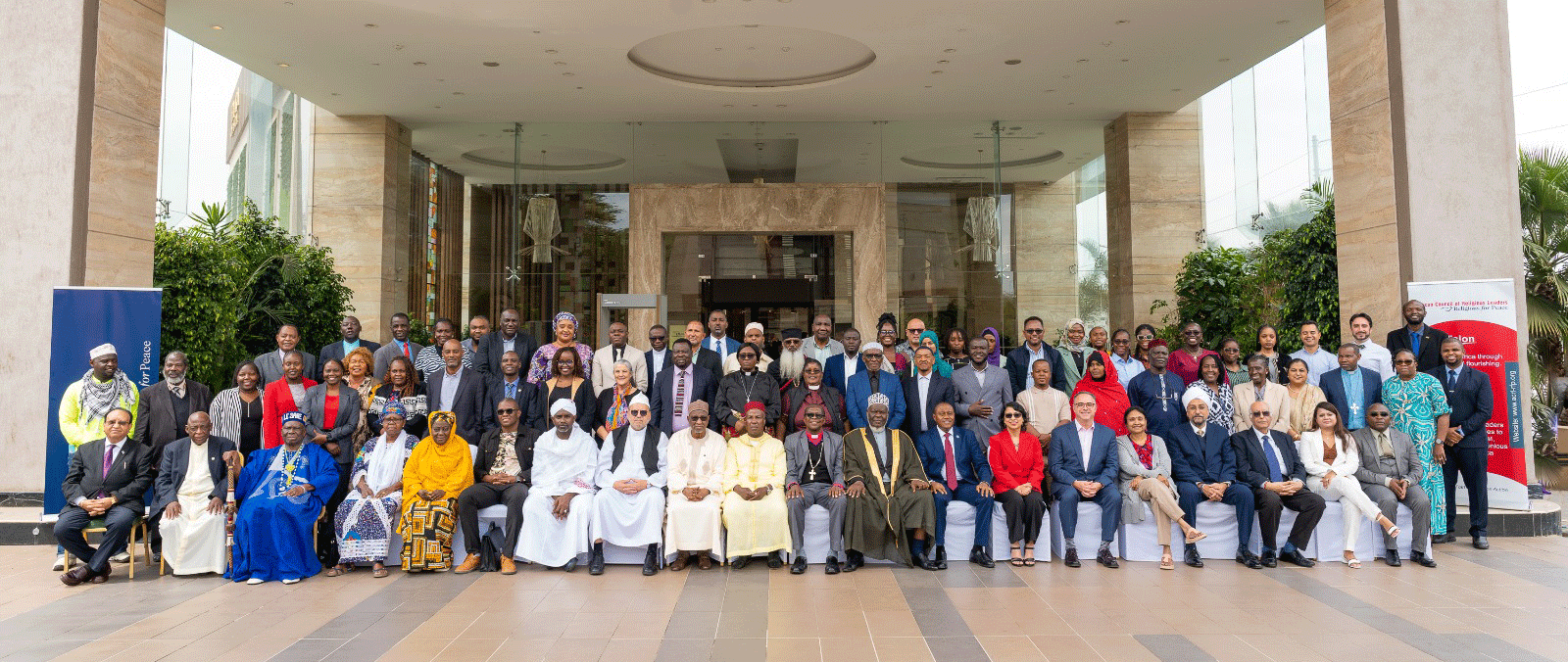
As the world grapples with more active conflicts than at any point since the end of the Second World War, the world's largest multi-religious coalition is convening in Mauritius this month for a landmark gathering that aims to re-center sacred values in global decision-making. The Religions for Peace 2026 International Council Meeting, running from June 23 to 25 in partnership with the Council of Religions-Mauritius, brings together senior faith leaders from across the globe to confront the most pressing crises of our time.
Founded in 1970 at the height of Cold War nuclear anxiety, Religions for Peace has spent over five decades demonstrating that when religious leaders step past geopolitical divisions, they can offer the world something sorely missing from the halls of power — a shared moral compass. This year's meeting in the Indian Ocean island nation carries that legacy forward at a moment when the international system appears less capable of facilitating dialogue and preventing conflict than at any point in generations.
The gathering, which takes place by invitation only, is organized under the framework of "Shared Sacred Flourishing" — a vision that recognizes the divine in all people and the planet, and insists that individual flourishing is inseparable from the welfare of communities and the Earth itself. It represents a critical preparatory step ahead of the next Religions for Peace World Assembly, expected in 2027.
Central to the agenda are three thematic dialogues that reflect the intersection of human dignity with emerging global challenges: the ethical implications of rapidly advancing artificial intelligence systems; the compounding crises of climate change and sovereign debt that disproportionately afflict the world's most vulnerable populations; and the erosion of multilateralism and trust in international institutions. Faith leaders will explore how sacred values such as compassion, justice, and mercy can guide practical, collective responses where existing frameworks have proven inadequate.
Alongside the main council sessions, parallel meetings of the Religions for Peace International Women's Coordinating Committee and the International Youth Committee will take place, ensuring that the perspectives of women and young people are integrated into strategic planning. These committees have become vital channels for amplifying voices that are too often marginalized in high-level peacebuilding discussions.
Religions for Peace operates through a global network of over 90 national and regional Interreligious Councils, spanning Buddhist, Christian, Confucian, Hindu, Indigenous, Jewish, Muslim, Sikh, Zoroastrian, and other faith traditions. In an era marked by polarization, the organization's model of structured, sustained interfaith collaboration offers a proven pathway for building social cohesion and preventing conflict before it escalates.
As military conflict continues to displace millions — with civilians, including women and children, bearing the heaviest toll — the council's deliberations carry profound urgency. Faith leaders gathered in Mauritius are expected to issue strong condemnations of the use of violence as a means of settling disputes, and to call for renewed respect for international law and humanitarian norms.
The choice of Mauritius as host is itself significant. The nation is frequently celebrated as a living model of pluralism, where communities of Christian, Hindu, Muslim, Buddhist, Tamil, Telugu, Marathi, and Bahá'í traditions have coexisted peacefully for generations. The Council of Religions-Mauritius has even helped establish university courses in peace and interfaith studies, embedding interreligious understanding in the country's educational fabric.
In a world where the loudest voices are often those of division, the Religions for Peace 2026 International Council Meeting stands as a counter-witness — a reminder that humanity's shared sacred inheritance can still call us toward something higher.
#InterfaithDialogue #PeaceBuilding #GlobalSpirituality #ReligiousLeaders