

From Floor Manager to Soul Manager: What Jewish Communal Life Teaches About Hidden Talents
In an age where resumes and credentials often obscure true capability, the Jewish community holds an ancient key to unlocking human potential. A recent reflection on the “skills-first” movement in the workforce reveals a profound spiritual truth: the most valuable abilities are often cultivated in the most unassuming places.
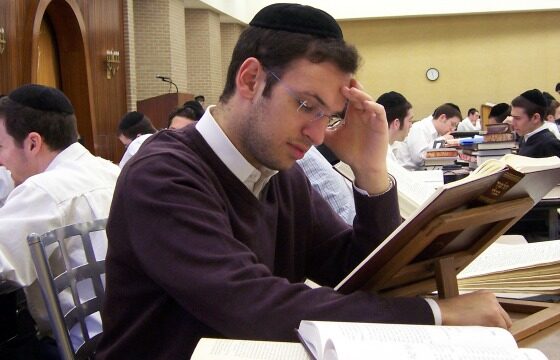
One former yeshiva student recalls reframing his janitorial work at a kosher candy store as “Floor Manager”—a title that, while technically accurate, failed to capture the deeper lessons of service and humility. “People often struggle to describe what they actually learned from an experience,” he observed, speaking at the SHRM Talent 2026 conference.
This struggle mirrors a timeless spiritual challenge. Jewish communal life, with its emphasis on mitzvot, study, and chesed (loving-kindness), has always valued the hidden skills that formal education overlooks: patience in a crowded synagogue kitchen, wisdom in resolving a dispute, resilience in organizing a Shabbat dinner. These are not merely practical competencies but soul-deep capacities cultivated through sacred service.
The skills-first movement asks employers to look beyond degrees and titles. Yet the Jewish tradition has long taught that every role—from floor cleaner to community leader—is a vessel for divine purpose. As the Talmud reminds us, “Who is wise? One who learns from every person.” The true skill is recognizing that every experience, no matter how humble, shapes the soul for its unique calling.