
Faith and Freedom: How Catholic Pioneers Forged a Spiritual Foundation for the American Republic
As the United States commemorates 250 years of independence, a deeper narrative emerges beyond political milestones—the quiet, often overlooked spiritual architecture that shaped the nation’s soul. While early America often viewed Catholicism with suspicion, a cadre of faithful Catholics proved that devotion to God and dedication to country could flourish as one.
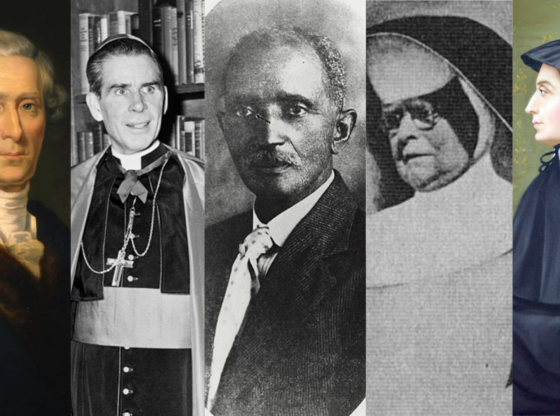
Archbishop John Carroll, the first Catholic bishop in the newly formed United States, understood that religious liberty was not merely a political concession but a divine principle. His work organizing dioceses and founding Georgetown College established an institutional framework where faith could breathe freely in a young republic still wary of papal influence. “He believed religious freedom was essential,” the historical record shows, and his collaboration with the nation’s founders ensured Catholics would not merely survive but thrive.
His cousin, Charles Carroll of Carrollton, stands as the only Catholic signer of the Declaration of Independence—a bold act of conscience at a time when Catholics faced legal restrictions and widespread prejudice. His life demonstrated that patriotic service and Catholic devotion need not conflict, but could illuminate a path toward greater religious liberty for all.
These pioneers remind us that the American experiment was never solely political; it was a spiritual journey toward recognizing that authentic faith strengthens, rather than threatens, the common good.