

Beyond the Escape: What Ancient Wisdom Teaches Us About Sacred Retreat
In an age of perpetual digital noise, the spiritual retreat has emerged not as a luxury but as a necessity for the soul. Yet the distinction between a wellness getaway and a genuine spiritual journey is often blurred. Insight Timer’s recent exploration of thirteen retreat pathways reveals that true spiritual retreat is less about detoxing the body and more about reorienting the soul toward its deepest truths.
From Buddhist meditation intensives to Indigenous plant medicine ceremonies, these traditions share a common thread: intentional withdrawal from the mundane to encounter the sacred. “Spiritual retreats provide a safe and supportive space to step away from daily distractions and reconnect with your authentic self through stillness, reflection, and sacred practice,” the guide explains. This is not mere relaxation—it is a disciplined encounter with the unknown.
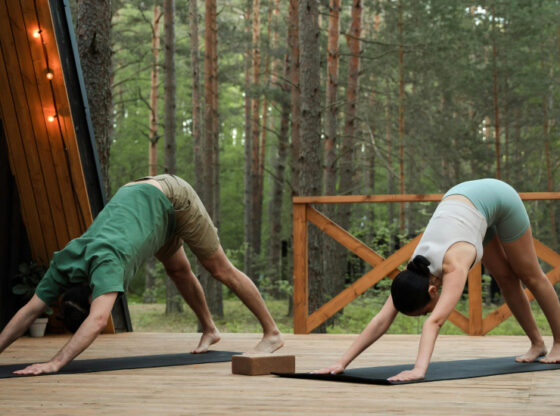
The variety is striking. Christian contemplative retreats emphasize silence and scripture, while Jewish programs weave Torah study with meditative prayer. Yoga retreats, often misunderstood as physical fitness, actually root themselves in ancient practices of breath and awareness. Each tradition offers a unique doorway, yet all demand the same essential posture: openness to transformation and the courage to sit with discomfort.
For the seeker, the choice is not about which retreat is “best,” but which tradition calls to your current spiritual hunger. As the wisdom keepers remind us, the retreat itself is merely a container—the real work happens when you return home, carrying the silence within.