
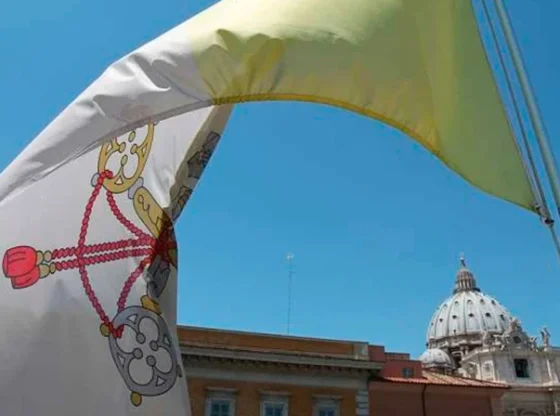

The Diocese of Northampton finds itself in the throes of a profound spiritual crisis. Pope Leo XIV has appointed Archbishop Richard Moth of Westminster as apostolic administrator, following the charging of Bishop David Oakley with the abuse of an underage girl. This action, while administrative in nature, carries deep symbolic weight for a community grappling with shattered trust. The appointment is not merely a practical measure; it is a pastoral intervention aimed at stabilizing a diocese whose spiritual foundation has been severely undermined.
For the faithful, this is not a distant news item but a wound that cuts to the core of their religious experience. The Catholic Bishops’ Conference of England and Wales released a statement acknowledging the pain, stating, “We are profoundly aware that the report of this allegation may reawaken painful memories for many people.” This admission of collective trauma is crucial. In spiritual terms, the abuse scandal represents a rupture in the sacred bond between shepherd and flock. When a bishop, meant to be a symbol of spiritual fatherhood, is accused of such crimes, the very fabric of ecclesial trust is torn. The bishops’ unreserved apology is a necessary first step, but the path to healing is long.
Wisdom traditions across the globe speak of the necessity of purification. In many spiritual paths, a leader’s fall is not just a personal failure but a mirror held up to the community. The ancient concept of kintsugi—repairing broken pottery with gold lacquer—teaches that the breakage can become a source of greater beauty and strength if repaired with care and honesty. For the Church, this scandal is a breakage that demands not just administrative fixes but a spiritual reckoning. The bishops’ commitment to “continual review and development” through the Catholic Safeguarding Standards Agency echoes this principle. True reparation requires transparency, a willingness to be audited, and a humble return to the core spiritual mandate of protecting the vulnerable.
The takeaway for the spiritual seeker is a sobering one. No institution, however sacred its claims, is immune to human failing. The crisis in Northampton calls for a deeper, more mature faith—one that does not place absolute trust in human leaders but in the divine source itself. It also calls for a renewed commitment to justice and healing. The bishops’ statement, affirming that “anybody who comes to our parishes, schools, and communities must be safe,” is a spiritual promise that must be kept. For the faithful, this moment is an invitation to pray not just for the victims, but for a Church willing to be remade in the crucible of its own failures, emerging with a more authentic and humble witness to the truth it proclaims.