
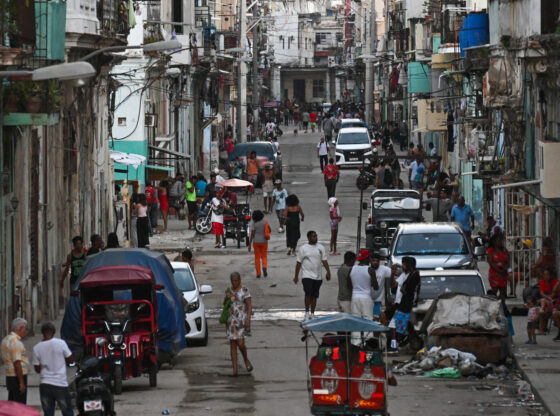

When Hope Becomes a Daily Discipline: Cuba’s Hidden Spiritual Crisis
Beyond the staggering statistics of economic collapse lies a subtler devastation—one that touches the human soul. The ninth study on social rights in Cuba reveals that 94% of its people live in extreme poverty, but as Catholic layman Osvaldo Gallardo observes, the deeper wound is spiritual: “a total lack of meaning in life, a loss of any sense of where we are headed or what our goals are.”
This testimony from a religious freedom activist offers a profound lesson for seekers everywhere. When material scarcity strips away the illusions of comfort, what remains is the raw question of purpose. Gallardo describes “infinite sadness, absolute hopelessness” among his relatives—not merely hunger, but a crisis of the spirit that accompanies empty stomachs and dark homes.
Yet within this darkness, the faithful are called to a radical practice: hope as discipline rather than feeling. The Cuban people’s endurance amid power outages and skipped meals mirrors the ancient wisdom traditions that teach suffering can refine, not merely break, the human heart. Their perseverance becomes a living meditation on what it means to hold meaning when every external structure crumbles.
The study’s findings—80% skipping meals, 70% facing daily blackouts—paint a portrait of a nation practicing survival as a form of prayer. For the spiritual observer, Cuba’s trial asks us: When everything external fails, what internal resource remains? The answer, whispered through Gallardo’s anguished testimony, is that even hopelessness can become the ground for a deeper encounter with the divine.