

The Spiritual Cost of the Unheld Heart: What Emotional Neglect Teaches Us About Wholeness
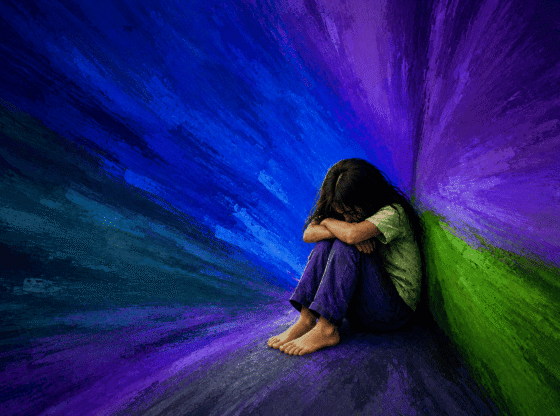
In the quiet aftermath of childhood, many carry a wound that was never named. The experience of growing up in a home where feelings were not safe to express leaves a profound spiritual imprint, shaping not only our psychology but our very relationship with the divine. When a child learns that a feeling is only acceptable if it doesn’t inconvenience others, they absorb a distorted gospel: that their inner world is a burden rather than a sacred offering.
This early disconnection is not merely a personal tragedy; it is a spiritual rupture. The great contemplative traditions teach that our emotions are the language of the soul, the raw material through which we come to know both ourselves and the Divine. To suppress this inner life is to silence the voice of the sacred within. As the Sufi poet Rumi reminds us, the wound is the place where the light enters you. When that wound is met with rejection, the light struggles to find a way in.
Yet the journey toward healing is itself a spiritual practice. For those who were never held, the adult task is to become the container they never had, to learn the sacred art of self-compassion. This is not about dwelling in the past, but about reclaiming the birthright of feeling as a path to presence. In learning to hold our own sorrow with tenderness, we begin to understand the compassionate gaze of the universe, and we discover that the fuel of life was never meant to be rationed, but to be felt, honored, and ultimately, offered back in service to the world.