
When Conscience and Compliance Collide: A Lesson in Sacred Autonomy
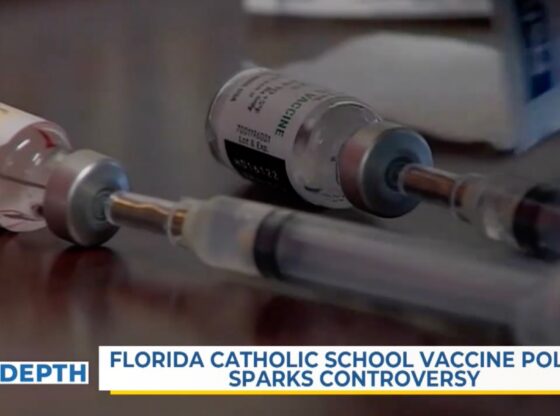
The clash between Florida’s attorney general and Archbishop Thomas Wenski over vaccine exemptions in Catholic schools is far more than a legal squabble—it is a profound meditation on where human authority ends and divine conscience begins. At its heart lies a question that has haunted believers for millennia: can the state compel a soul to act against its own moral compass?
The dispute traces to a 2011 guidance from the National Catholic Bioethics Center, which distinguished between religious doctrine and personal conscience. While the Church deemed vaccines derived from aborted fetal cell lines permissible due to the remoteness of the original act, it urged institutions to honor “delicate consciences” as liberally as possible. This nuance—that faith is not a monolith but a living, breathing relationship with truth—has been lost in the legal fray.
Archbishop Wenski wisely noted that conscience objections cannot be framed as official Catholic teaching, yet the faithful are not automatons. True spiritual maturity demands that institutions create space for sincere moral struggle, not merely doctrinal compliance. In this tension, we glimpse a timeless truth: the state may regulate bodies, but only God judges hearts.