

The Weight of Words: What Srebrenica Teaches Us About the Sacred Duty of Precision
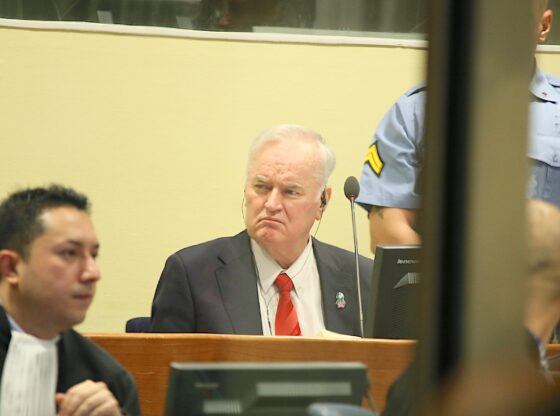
In the quiet halls of memory, where justice and grief intertwine, the passing of Ratko Mladić offers more than a historical footnote—it presents a spiritual challenge. The ancient wisdom of Proverbs reminds us not to rejoice at an enemy’s fall, yet there is profound meaning in witnessing accountability fulfilled after decades of denial.
Mladić’s conviction for genocide at Srebrenica was not merely a legal triumph; it was a moral reckoning that affirmed the sanctity of every human life. For those who stood among the white headstones of that Bosnian cemetery, the distinction between systematic annihilation and armed conflict becomes not academic but existential. The charge of genocide carries a sacred weight—it names an intent to erase a people from existence.
As we reflect on this moment, we are called to examine how we wield such powerful language. When the term “genocide” is deployed carelessly, it dilutes the very real suffering of victims like those at Srebrenica. The spiritual discipline of truth-telling demands that we honor the specificity of atrocity, reserving our strongest words for the gravest sins, lest we betray those who have endured the unendurable.