
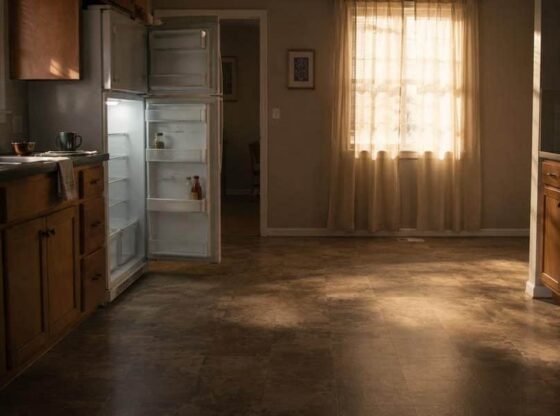

The Unseen Arithmetic of Loss: What Vanishing Objects Teach About Attachment
In a world that measures worth by accumulation, the strange tale of Bashir—a man whose possessions, colleagues, and even his wife’s cat begin to slip from his grasp—offers a profound spiritual parable. This is not merely a story of missing furniture or a silent breakfast table; it is a mirror held up to the soul that has mistaken comfort for contentment.
The narrative invites us to consider a timeless truth found across spiritual traditions: that our attachments to the material world are but veils over our true nature. When Bashir rages at his vanished mahogany desk or scoffs at his wife’s preferred orange juice, we witness a heart hardened by ingratitude. His focus on the inconvenience of loss blinds him to the blessing of presence. The “walking away” of objects is not a cosmic punishment but an invitation—a call to see that what we cling to was never truly ours to keep.
For the seeker of wisdom, this tale is a reminder that every disappearance carves out space for something greater: detachment, gratitude, and ultimately, a return to the Divine. The question is not why the bed walked away, but whether we will walk toward the light that remains.