
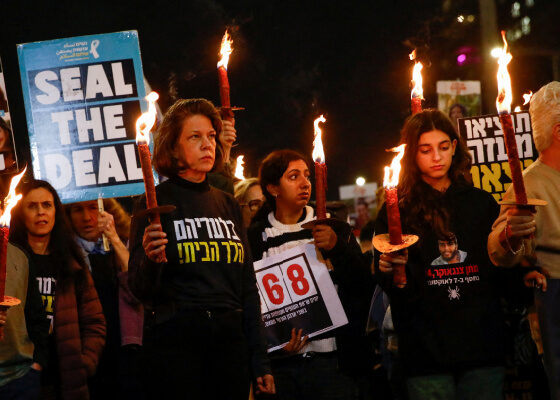

The Silence of the Negotiators: Unmasking the Myth of Immediate Release
In the turbulent aftermath of October 7, a narrative emerged claiming Hamas was eager to release captives from the outset. This assertion, repeated with such fervor that it replaced evidence, has now been dismantled by Brett McGurk, the former senior White House official who stood at the center of these high-stakes diplomatic efforts. His testimony on the “Call Me Back” podcast does not merely correct facts; it exposes a profound spiritual failure in how we perceive truth amidst political chaos.
McGurk’s account reveals that the path to peace was obstructed not by Israeli obstructionism, as often claimed, but by Hamas’s deliberate refusal to engage meaningfully until external pressure became overwhelming. The “lies” propagated by activists were not just errors; they were distortions that obscured the reality of human suffering and the complexity of moral responsibility. By ignoring the actual negotiations involving Qatar, Egypt, and the White House, critics created a false morality that absolved perpetrators while condemning peacemakers.
This revelation invites us to examine our own complicity in accepting convenient narratives over uncomfortable truths. In seeking justice for hostages, we must first commit to radical honesty, rejecting the seductive simplicity of conspiracy theories that pollute our collective conscience.