

The Silence of the Archives: A Spiritual Crisis in Indigenous Memory
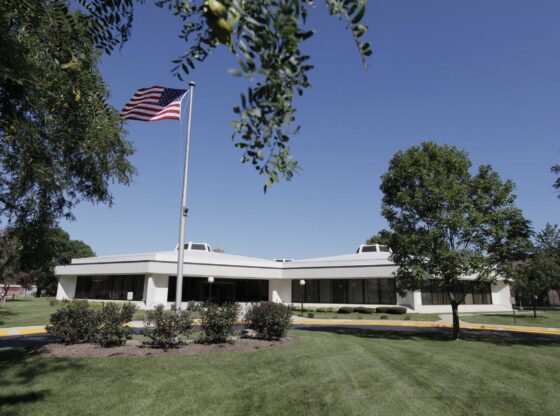
The impending closure of three National Archives locations without prior tribal consultation represents more than an administrative failure; it is a profound disruption of the spiritual continuum for Indigenous nations. For communities such as the Hoopa Valley Tribe, these records are not merely bureaucratic files but sacred vessels holding the testimony of ancestors and the documentation of historical trauma, including the Federal Indian Boarding School era. The physical separation from these documents threatens to sever the tangible link between present-day communities and their historical truth.
Heather Hostler, executive director of California Indian Legal Services, emphasized the spiritual weight of this loss, stating, “They are not the only way we know our history, but they are an important part of it, helping us to document the experiences of our ancestors and our sacred relationship with the United States. These records are priceless.” The lack of consultation, as noted by tribal historic preservation officer Michael LaRonge, reflects a systemic disregard for the living nature of Indigenous knowledge. When archives are inaccessible, the spiritual act of remembering is obstructed, leaving communities in a state of limbo where their past is suspended, unverified, and vulnerable to erasure.