
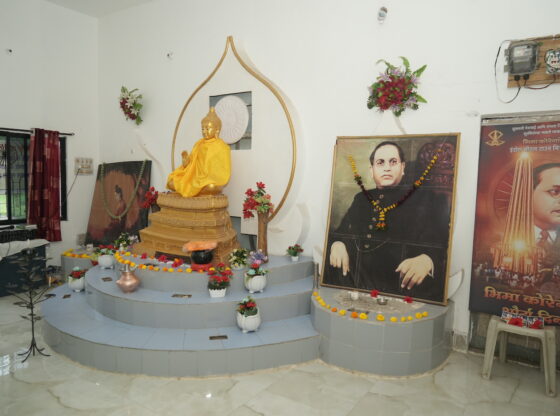

Reclaiming the Sacred Self: The Radical Dignity of Ambedkarite Buddhism
In the shadow of systemic erasure, conversion becomes more than theological shift; it is an act of ontological reclamation. For Dalit communities in India, embracing Buddhism under Dr. B. R. Ambedkar’s vision is not merely a religious choice but a profound refusal to accept a world that reduces human beings to “a vote, a number, or a thing.” This spiritual migration seeks to restore the individual as a “glorious thing made of star dust,” countering centuries of institutionalized humiliation.
The tragedy of Rohith Vemula’s death catalyzed a wave of mass conversions, where families and activists took Deeksha vows alongside monks. As noted by observers, this pattern reflects a seven-decade tradition where state failure meets spiritual resilience. By leaving behind religions perceived to sanctify caste hierarchy, practitioners assert their inherent worth. This journey underscores a critical truth: dignity is not granted by society but reclaimed through conscious, collective awakening. In rejecting external definitions of value, these individuals find freedom within the dhamma, proving that spiritual liberation can be the most radical form of social protest.