

The Silence of the Archive: A Spiritual Crisis in Indigenous Memory
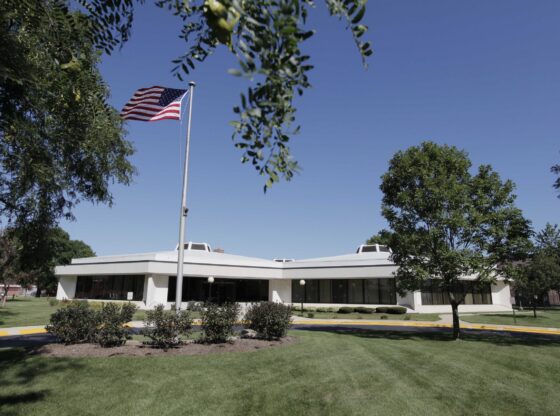
The impending closure of National Archives in Chicago, San Francisco, and Seattle poses a profound threat to the spiritual continuity of Indigenous nations. These repositories hold more than paper; they contain the ancestral voices, sacred languages, and historical truths that define tribal identity. As the Bureau of Indian Affairs records face a two-year period of inaccessibility without proper tribal consultation, a critical link to the past is severed, leaving communities in a state of spiritual limbo.
For many, these documents are the tangible proof of their existence and sovereignty. Heather Hostler of the Hoopa Valley Tribe describes these records as “priceless,” noting they help document “the experiences of our ancestors and our sacred relationship with the United States.” The lack of transparency in this administrative decision reflects a deeper ethical failure, one that disregards the communal memory that sustains tribal consciousness.
When history is locked away, the present is destabilized. The preservation of these archives is not merely an administrative task but a spiritual imperative, ensuring that the wisdom of the past remains available to guide the future. The silence of the archive is a deafening warning that cultural heritage is fragile and requires active, respectful stewardship.