
The Salton Sea’s Silent Test: Lithium, Water, and the Ethics of Extraction
In the arid expanse of Imperial County, the promise of “white gold” has collided with the ancient, unyielding laws of ecological balance. Three years after political leaders hailed the region as a revolutionary hub for alternative energy, the extraction of lithium from desert aquifers remains largely theoretical. This stagnation is not merely an economic failure, but a profound spiritual and ethical reckoning regarding humanity’s relationship with the earth.
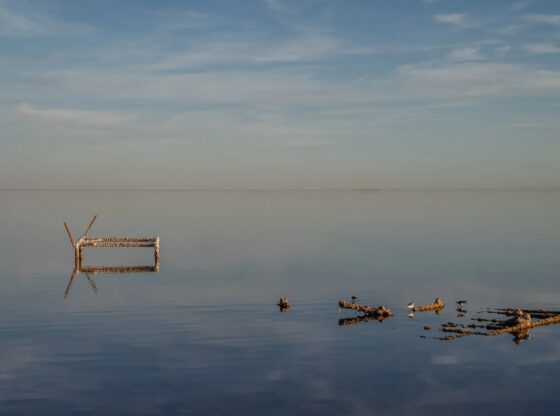
As legal challenges delay projects like Hell’s Kitchen, the focus shifts from industrial ambition to communal stewardship. Luis Olmedo, executive director of Comite Civico del Valle, articulates a deeper concern: “Do we have enough water to support these projects over the long term? … What happens to our air as less water reaches the Salton Sea?” These questions highlight the tension between technological progress and the preservation of life-sustaining resources.
The Salton Sea serves as a mirror for global consciousness, reflecting the cost of unchecked extraction. The delay in development invites a pause for reflection on what it means to honor the land. True sustainability requires more than efficient battery production; it demands a credible, well-supported answer to how we coexist with the fragile ecosystems that sustain us.