

The Sacred Work of Unity: How a New Generation Is Reimagining Ancient Bridges
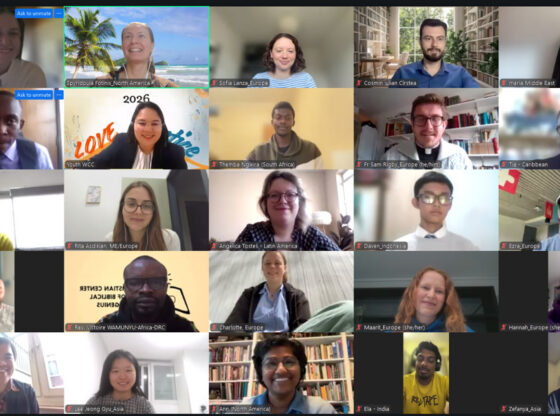
In an age where division often dominates the headlines, a quiet revolution is unfolding among young Christians who see ecumenical and interreligious engagement not as a bureaucratic relic but as a spiritual imperative. The June gathering of over 60 young adults, convened by the World Council of Churches, revealed a generation for whom the boundaries between faith traditions are less walls and more doorways.
Hank Jeannel, The Episcopal Church’s associate for ecumenical and interreligious relations, described the profound experience of sharing prayer requests across continents. “You felt like you were walking away with all of these concerns from around the world, these young people you met, and you had a long list of things to add to Evening Prayer later that day,” he said. This practice of holding one another’s burdens transforms abstract theology into lived solidarity.
The Rev. Kirsten Guidero, the church’s ecumenical officer, places this movement within a historical arc that began between world wars—a time when Christians recognized that unity was not optional but essential. Today’s young adults inherit that vision with renewed urgency, facing climate crisis and global instability. Their hope is not naive optimism but a disciplined commitment to pray, work, and live alongside those who believe differently, recognizing that spiritual maturity requires embracing both difference and common ground.