
The Sacred Clack: How Mah Jongg Became a Bridge Between Generations
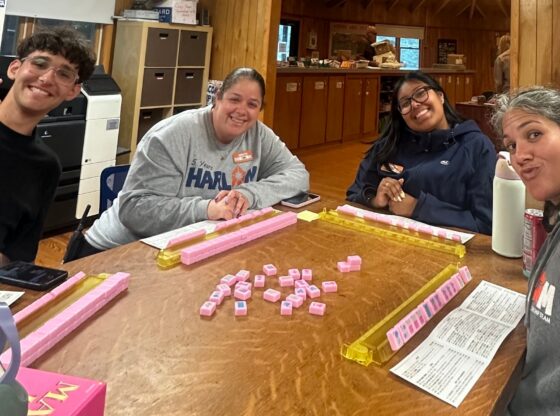
In the rhythm of shuffled tiles and whispered calls of “bam” and “crak,” a quiet spiritual revival is unfolding across Jewish communities. What was once dismissed as a pastime for bubbes is now a meditation in connection—a tactile ritual that pulls young players away from the digital void and into the sacred space of shared presence.
The game, born in 19th-century China and adopted by Jewish women in mid-century America, carries an unlikely wisdom. Its demand for face-to-face attention mirrors ancient practices of communal gathering, where the table becomes an altar of human interaction. For 19-year-old Louisa Gordon, the revelation was immediate: “It has really given me an opportunity to connect with others off of my phone.”
Modern Mahjong founders Dara Collins and Donna Kassman witness this shift daily, watching high school and college clubs bloom. “People just want to put the phone down and socialize,” Kassman notes, adding their guiding principle: “no phones and no politics.” For 18-year-old Sarah Shlefstein, the game is lineage in motion—a way to sit beside grandmother, mother, and sister in a shared act of attention.
In an age of fractured focus, mah jongg offers a return to the covenant of the table: presence, patience, and the quiet joy of being wholly with one another.