
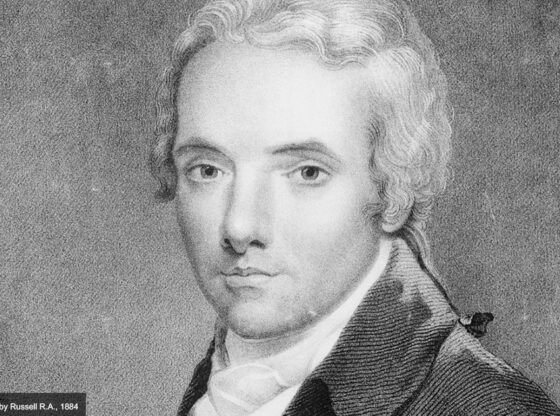

The Sacred Calling: What William Wilberforce Teaches Us About Faith in the Public Square
In an age of political cynicism, where the noise of partisanship drowns out the still, small voice of conscience, the figure of William Wilberforce emerges not as a relic but as a living testament to the transformative power of faith-driven engagement. His 18th-century crusade against the slave trade was never merely political—it was a spiritual discipline, a form of prayer made manifest in the halls of power.
Wilberforce understood that withdrawing from the public square is not humility but a subtle form of pride, a refusal to carry the cross into the very arenas where human dignity is most at stake. His decades-long perseverance, marked by repeated defeats and personal ridicule, reveals a deeper truth: that political action, when rooted in contemplative conviction, becomes an act of worship rather than a grasping for power.
For the modern believer, the lesson is not about winning arguments but about bearing witness. Wilberforce’s faith did not make him aggressive; it made him relentless. He saw the suffering of the enslaved as Christ’s own suffering, and his advocacy as a response to grace, not a demand for recognition.
This is the challenge of our time: to enter the messy, broken realm of politics without losing our souls—to remember that every policy debate touches sacred ground, every vote is a moral act, and every opponent is a child of God deserving of both justice and mercy.