

The Sacred Balance: Why Catholic Funeral Reforms Point Beyond Grief to God
Across several U.S. dioceses, bishops are quietly re-centering Catholic funerals on their original spiritual purpose: directing souls toward God rather than dwelling on the departed. Bishop Thomas Paprocki of Springfield, Illinois, recently implemented new directives effective July 1, addressing what he calls “liturgical anomalies” that have crept into popular practice.
“The homily and the words of remembrance have God as the primary focus,” Paprocki explained, distinguishing permissible “words of remembrance” from eulogies, which he said risk making “the person being praised the main focus of attention.” This distinction reveals a deeper spiritual truth: Christian funerals are not memorials but pilgrimages, guiding the living to see death through the lens of resurrection.
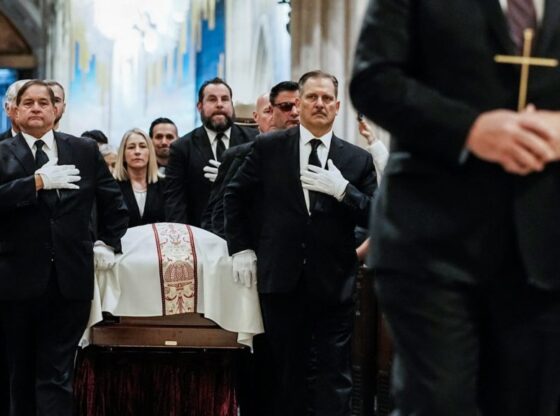
The reforms restore the ancient rhythm of the Order of Christian Funerals—vigil, liturgy, committal—each movement a step in the soul’s journey. Paprocki emphasized that the procession to church “serves as a reminder of when the deceased person first entered the church in baptism,” linking death to the baptismal promise of new life. For the spiritually seeking, these rules are not restrictions but invitations: to grieve with hope, to remember with praise, and to fix our eyes on the One who conquered death itself.