

The Radiant Memory of Eden: What Transfiguration Reveals About Our True Nature
On a mountain in Galilee, the veil between heaven and earth grew thin. The recent Feast of the Divine Transfiguration, celebrated by the Patriarchate of Jerusalem at Mount Tabor, is not merely a historical commemoration. It is a theological key that unlocks the deepest truth about human identity—a truth that transcends the boundaries of time and tradition.
According to the teachings shared at the celebration, the Transfiguration reveals the “primordial beauty possessed by humanity before the Fall.” This is a profound insight: the light that radiated from Christ was not an anomaly, but a glimpse of our own potential. The luminous cloud and the Father’s voice, “This is My beloved Son, hear Him,” were not just for Peter, James, and John. They were for all who seek to understand their place in the cosmos.
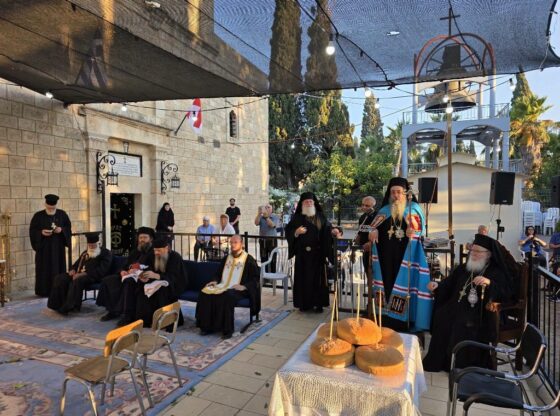
Patriarch Theophilos III presided over the Divine Liturgy at an outdoor altar, surrounded by the rugged landscape where Christ spoke with Moses and Elijah about His coming Passion. This meeting of the Law, the Prophets, and the New Covenant reminds us that spiritual transformation is not an escape from suffering, but a transfiguration of it.
The presence of pilgrims, permitted by authorities to ascend the mountain, and the hospitality of the new Hegumen, Archimandrite Markellos, echo the ancient rhythm of pilgrimage. The renovated Church of the Transfiguration, adorned through the work of the late Archimandrite Hilarion, stands as a testament that beauty is a form of prayer. As the disciples learned, we do not build tents on the mountain; we carry its light back into the valley of everyday life.