
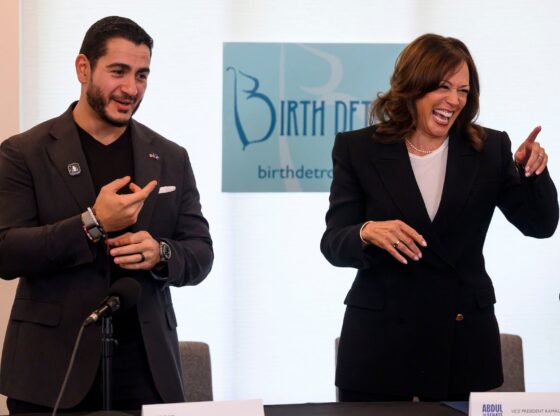

The Paradox of Political Allegiance in Sacred Spaces
In the hallowed halls of Michigan politics, a profound spiritual tension has emerged, revealing the complex intersection of faith, identity, and civic duty. The recent petition by Jewish leaders urging Senator-elect Abdul El-Sayed to moderate his stance on Israel is not merely a political maneuver; it is a testament to the enduring struggle for moral coherence within the Democratic coalition.
As activists like Hayley Sakwa and Sam Bagenstos argued, the higher calling may lie in checking broader authoritarian trends, yet the pain of perceived tokenism, as voiced by Rep. Noah Arbit, cuts deep. This conflict highlights a timeless spiritual dilemma: how do we reconcile our specific communal vulnerabilities with the universalist imperative for justice? The “Nonnegotiables” petition serves as a mirror, reflecting the anxiety of a community seeking safety while advocating for progressive change. Ultimately, this moment challenges us to examine whether true solidarity requires silence or courageous, albeit uncomfortable, dialogue.