

The Long Way Home: What Carlisle’s Repatriation Reveals About Ancestral Healing
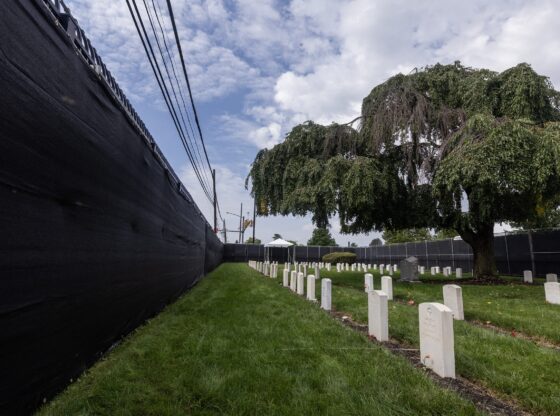
In the quiet grounds of Carlisle Barracks Post Cemetery, a profound spiritual reckoning unfolds. As black privacy fencing rises once again, twelve children prepare for a journey delayed by more than a century. These young souls—torn from their homelands, their families, and ultimately their bodies—are finally being returned to the earth that knew them first.
This repatriation is not merely an administrative act. It is a sacred ceremony of restoration, a mending of the spiritual fabric torn when the Carlisle Indian Industrial School sought to sever Indigenous children from their ancestral ways. For the Fort Peck Assiniboine and Sioux Tribes, welcoming home Christine Redstone, Peter Howe, and Richard Morgan—three students who arrived together on April 15, 1890, and died of tuberculosis—represents a completion of ceremony that was violently interrupted.
“The community becomes the family,” says Dyan Youpee, the tribe’s cultural preservation director, articulating a profound truth: in Indigenous spiritual traditions, belonging transcends biology. The planned celebration is designed, in her words, to “shed positive, healing light on the repatriation efforts, journey and reburial.”
For descendants retracing their ancestors’ footsteps, this journey offers a template for collective healing—a reminder that even the deepest historical wounds can begin to close when we honor those who were lost.